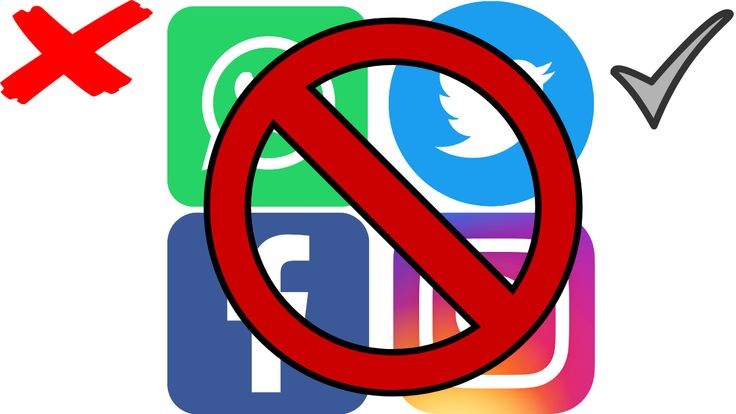
The Government of Nepal has blocked Facebook, X (previously Twitter), YouTube and 23 others based on the fear of abuse, false information and fraud on the internet. According to the letter of authorities, the measure will ensure the safety of the population and the regulation of negative material. But the ruling has brought up concerns about digital rights and freedom of speech.
Highlights:
- Nepal bans 26 social media platforms.
- Concerns include misuse, fraud, and misinformation.
- Facebook, X, and YouTube are part of the ban.
- The move triggers debate over digital freedom.
- Government to frame strict digital regulations.
Millions of individuals who use social media as a source of communication, news and education have been directly impacted by the ban. As officials explain, the need to restrict fake news and cybercrime is logical, though most users feel that the restriction deprives them of necessary digital resources. Regulation is good, but then again, a total ban on social media is challenging to the population.
The hardest hit have been small businesses and the students who rely on social media in their marketing, study materials, and networking. Companies relying on other sites such as Facebook and YouTube no longer have many alternatives to communicate with customers. In the same way, learners who depend on online information and resources are interrupted in their learning process.
Digital rights organizations warn that the ban on social media can isolate Nepal to the rest of the world, and demote citizen participation. Although the government is declaring the move as a temporary one until new laws are brought up, the concern is high. The future of social media in Nepal will be based on the speed at which open and balanced policies are put in place.