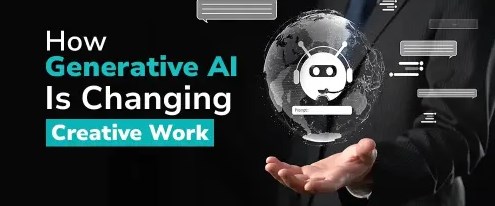
In the last few years, Artificial Intelligence (AI) has reshaped almost every industry. From data analysis to digital art, AI tools are helping professionals work faster and smarter. But nowhere has its impact been more debated than in the world of creative jobs writing, design, and music. These fields have traditionally relied on human imagination, emotion, and expression. Now, AI is becoming both a partner and a challenge to the creative process.
AI in Writing: Collaboration, Not Replacement
AI-powered tools like Grammarly, Jasper, and ChatGPT have made content creation more efficient. Writers can now get help with grammar, tone, and even brainstorming ideas within seconds. However, these tools cannot replace the depth of human storytelling the emotions, empathy, and lived experiences that shape great writing.
For example, while AI can write a basic product description, it struggles to capture the nuances of humour, culture, or emotion that readers connect with. Writers today use AI more as a creative assistant than a substitute.
👉 Read more about
AI in Content Creation
👉 Explore
Tips to Improve Blog Writing
AI in Design: From Inspiration to Innovation
Graphic designers and illustrators are also witnessing a major shift. Tools like DALL·E, Midjourney, and Canva Magic Studio allow artists to turn text prompts into ready-to-use visuals. What once took hours of sketching and editing can now happen in minutes.
Yet, despite this automation, designers remain essential. The human ability to understand brand personality, user emotions, and aesthetic balance cannot be replicated by machines. Instead, designers now use AI to speed up repetitive tasks resizing images, generating variations, or experimenting with concepts freeing up time for deeper creative work.
AI in Music: Redefining Composition and Collaboration
Music creation is another area being transformed. AI platforms like AIVA, Soundful, and Amper Music can generate melodies or background scores based on user preferences. For budding musicians, this is revolutionary it lowers the barrier to entry and inspires new forms of experimentation.
However, professional artists see AI as a collaborative partner, not competition. While AI can analyze patterns in rhythm and genre, it cannot reproduce the soul or emotional connection that human musicians bring to their art. As one producer put it, “AI can compose a tune, but only humans can make you feel something.”
👉 Discover The Future of AI in Entertainment
The Ethical and Emotional Side of AI Creativity
With all these advancements, ethical concerns have emerged especially around originality, authorship, and job security. Artists worry about AI copying their styles, and writers question who owns AI-generated content.
That’s why responsible use of AI is vital. It should serve as a creative enhancer, not a replacement for human artistry. Companies and creators alike must strike a balance between technology and talent.
The Future: Human Creativity Powered by AI
AI is not ending creative careers it’s transforming them. Writers are becoming editors and strategists. Designers are becoming storytellers. Musicians are becoming producers who blend human emotion with machine precision.
The future belongs to those who embrace AI as a tool to amplify imagination, not suppress it. The blend of human intuition and AI innovation promises an exciting era for creative professionals everywhere.


Leave a Comment