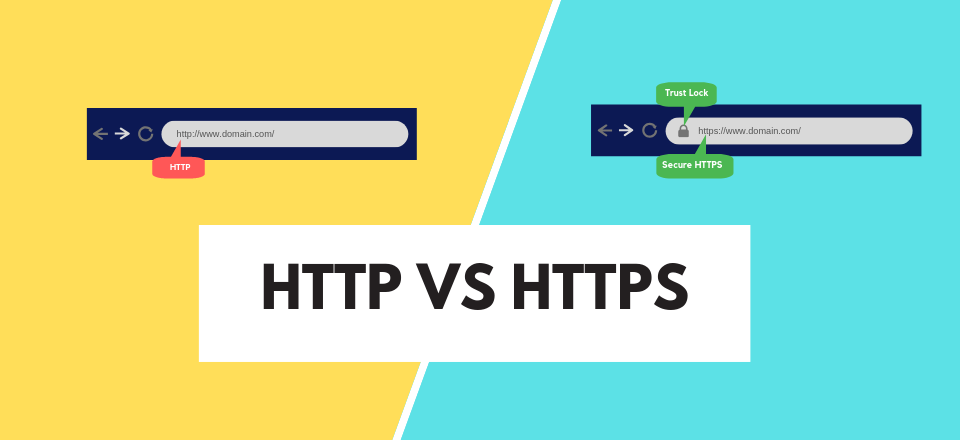
The digital age demands greater security in online transactions, and this is reflected by the transition from HTTP to HTTPS. Although both HTTP and HTTPS are communication protocols, the difference between them lies in the additional security features of HTTPS. This post will differentiate between these two protocols and explain the importance of using HTTPS to secure online transactions.
What is HTTPS?
HTTPS is an extension of HTTP that incorporates Transport Layer Security (TLS) or its predecessor, Secure Sockets Layer (SSL). Features include:
- Data encryption: This prevents potential eavesdroppers from accessing sensitive information such as login credentials or credit card information.
- Authentication: This ensures that the connection is with the correct server, authenticated with SSL certificates from a trusted certificate authority (CA).
- Data integrity ensures that data is not altered during transmission.

HTTPvs. HTTPS: Key Differences
1. Encryption and Security
HTTP has no encryption, making it vulnerable to threats such as man-in-the-middle attacks.
HTTPS: Encrypts data, providing a safe connection that prevents unauthorized get-right of entry.
2. Data Integrity
Https uses cryptographic techniques to make sure the data transmitted is not altered. HTTP doesn't have this protection, so facts are open for manipulation.
3. Users' trust and SEO advantage
Google encourages HTTPS adoption by prioritizing HTTPS-enabled websites in search volume. Browsers also warn users that HTTP sites are "vulnerable," affecting user trust.
Why is HTTPS important for website security?
1. Protecting Against Cyber Threats
HTTPS assures sensitive data is kept confidential, thereby reducing the chances of identity theft and fraud.
2. Compliance and Industry Standards
Several industries, like e-commerce and healthcare, rely on HTTPS to meet their legal and regulatory standards.
3. Increasing User Trust
Users tend to interact with websites they believe are safe. The padlock in the browser's address bar associated with HTTPS gives it a visible guarantee.
When to Use HTTPS?
- E-commerce sites dealing with payment data.
- Websites that include user login credentials.
- Any site that functions with personal or sensitive data.
Even blogs or informational sites benefit from HTTPS since search engines and users increasingly prefer secure sites.
Instances when HTTPS is Essential
Shopping portals that accept payments and handle clients' sensitive information
The websites that ask for some sort of login or the submission of data must require encryption. This will ensure complete user privacy and prevent all such breaches.
SEO
Having changed to HTTPS can help make better rankings in search, and Google is keenly focused on promoting secure pages.
How to Move to HTTPS from HTTP
a. Acquire an SSL/TLS Certificate:
There are three types of certificates. The choice depends on your requirement: domain validation (DV), organization validation (OV), or extended validation (EV) certificate.
b. Create 301 redirects
Create a permanent redirect from HTTP to HTTPS to ensure the current rankings in SEO and smooth user experience.
c. Change internal and external links
Update internal links and contact the relevant parties to update the external link to the HTTPS version of the link.
d. Turn on the strict HTTP strict transport security (HSTS):
HSTS helps protect browsers from insecure HTTP connections to your site.
Why some websites still use HTTP
- Cost Concern: Even though free SSL certificates are available, some small businesses view implementation costs as a barrier.
- Lack of awareness: Most website owners underestimate the importance of HTTPS.
However, due to the ease with which HTTPS is adopted, these excuses lose their validity.
Common Misconceptions About HTTPS
a. HTTPS is Only for E-trade Sites:
While HTTPS is necessary to deal with transactions, it is equally necessary for all websites to protect user interaction and establish credibility.
b. HTTPS makes websites slow.
Modern HTTPS implementation is optimized and often improves performance, especially with the use of HTTP/2.
Conclusion
The shift from HTTP to HTTPS is no longer optional but a necessity for maintaining website security and user trust. Whether it is to protect sensitive information, improve search engine rankings, or enhance credibility, adopting HTTPS is a vital step for any modern website. The transition to HTTPS isn’t optional—it’s necessary to protect users, increase trust, and remain competitive online. By adopting HTTPS, you protect important data, improve SEO rankings, and build trust among users. Start on your journey to a safe online environment today!
This comprehensive guide provides a practical perspective on the critical importance of HTTPS and its impact on website security. Be sure to follow these practices to stay safe and competitive in the digital age!


Leave a Comment