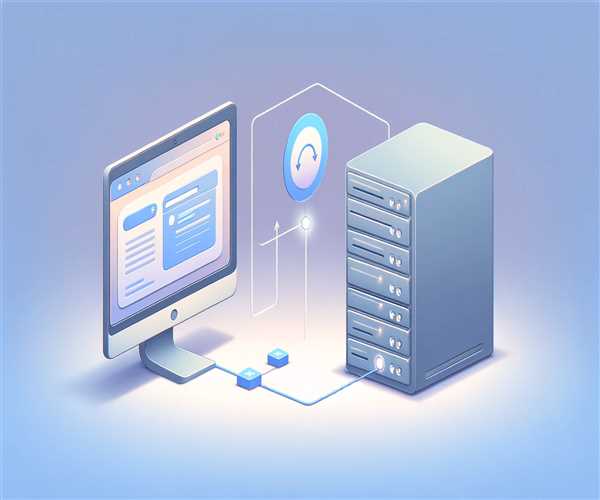
Today’s web applications require fast and immediate interaction with users and/or application servers. Regardless of the options with live chat support, games, or stock trading, input/output processing in real-time is essential. In comes WebSockets, a protocol to create long-lived, bi-directional connections.
Incoming and outgoing communications can occur using a single TCP connection, which makes WebSockets perfect for real-time data transmission. In this article, I explain what web sockets are, how they operate, when they should be used, and the tools that enhance them.
What are WebSockets?
WebSockets are a typical example of the ability to connect a client with a server and stay connected continuously. While HTTP uses a request-response model, WebSockets allow for bidirectional communication of data without the syntax of requiring multiple HTTP requests. This is particularly beneficial in applications that require real-time data and expect low latency.
If you want to learn more about the WebSockets and their integration with the frameworks, you may look at how these come with Node.js, which is widely used to work with non-blocking asynchronous communications.
Key Features of WebSockets:
- Full-Duplex Communication: Supports the flow of data at the same time.
- Reduced Overhead: Saves time from HTTP headers’ many requests already sent in the prior requests.
- Low Latency: Real-time interactions will best be served by this type.
- Scalability: Best for applications where traffic is expected to be very high.

Applications of WebSockets in Real-Time Applications
The best use cases for WebSockets are those cases where real and uninterrupted connection between the client and the server is needed. Some common applications include:
- Chat Applications: WebSockets drive the communication in real-time messaging platforms, that is, messages are imparted with little or no lag.
- Live Dashboards: In general for observing any sort of market, internet of things devices, or business indicators.
- Collaborative Tools: Features like collaborative document editing depend on real-time responses.
- Gaming: Real-time multiplayer employs WebSockets as a method of action and state synchronization.
- Notifications: WebSockets can be used to send out push notices for items such as e-mails or alerts.
Example: Azure Web PubSub
Microsoft's Azure Web PubSub, based on WebSockets, gives developers tools to create applications such as live dashboards and multi-user chat platforms. It allows for easy management of complex interactions with the aid of scalability.
WebSockets vs. Traditional Communication Protocols
1. HTTP Polling
It uses intermittent requests made to the server to retrieve changes. Though this looks simple, it is quite costly and exhibits high latency because it demands more of the available resources.
2. Server-Sent Events (SSE)
SSE offers a unidirectional stream from the server to the client. Although it might be useful for certain cases, such as news feeds, it does not easily support two-way communication.
3. WebSockets
WebSockets have a persistent connection, so they are more suitable for complex, dynamic applications that will require two-way data exchange.
Best WebSocket Frameworks and Libraries
Several tools and frameworks enhance the WebSocket development experience:
SignalR
ASP.NET-based library SignalR hides the details of handling WebSocket connections. Use the progressive enhancement approach, which is suitable for creating a site for the Internet, including the support of legacy browsers.
For a better understanding of state and developments with SignalR, it is recommended to read the article Real-Time Data with SignalR.
Node.js and WebSocket Frameworks
WebSocket’s asynchronous nature, and as a result, Node.js turns out to be an efficient platform for the development of web-based applications. But frameworks like socket.io have made it easier as they provide ready functions for handling connections.
Go to this Node.js Guide to get an idea about what it offers as far as real-time app development is concerned.
Benefits of WebSockets
- Efficiency: WebSockets do not require multiple HTTP request-response cycles, which conserve the bandwidth.
- Real-Time Data Updates: They keep getting updates without having to be instructed so to do by their users.
- Cross-Platform Support: Available with every browser and creates interfaces for almost all electronic devices.
- Enhanced User Experience: Making sure to check for the outcome of communication means that interaction quality is improved.
Despite their advantages, implementing WebSockets comes with challenges:
- Connection Handling: Sustaining several strong links takes a lot of capacity, especially at large scale.
- Security Risks: Persistent connections are insecure so they can be exploited through DoS or man-in-the-middle attacks.
- Compatibility Issues: WebSockets may not work correctly with some older versions of web browsers.
These can be addressed employing tools such as SignalR and employing services such as Azure Web PubSub, which handle issues such as scalability and fallback compatibility issues.
Conclusion
Web sockets are an absolute must if you are developing dynamic web applications with instant interaction. Because of their high efficiency in the constant, full leisure dialogue, they are considered to become the basis of today’s development. At the moment, there are frameworks like SignalR and platforms, such as the Azure Web PubSub, that allow developers to effectively incorporate WebSockets for such apps so as to deliver excellent and responsive user experiences.
This article gives you an initial understanding of WebSockets and, at the same time, lets you know about available tools and frameworks that make your WebSocket development easy and powerful enough to build powerful real-time applications.


Leave a Comment