
What your Hair says about your Health
Is your hair trying to tell you something about your health? Maybe. Some conditions and medications affect your body as well as your hair.

Can hair have diseases?
Alopecia areata is an autoimmune disorder that causes your hair to come out, often in clumps the size and shape of a quarter. The amount of hair loss is differe
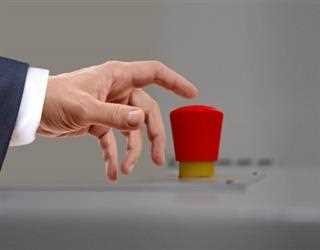
What are Ptsd Triggers?
When you have posttraumatic stress disorder (PTSD), your symptoms can come and go. You might feel fine until you hear a car backfire loudly.

Symptoms of Post Traumatic Stress Disorder
Most people who go through traumatic events may have temporary difficulty adjusting and coping, but with time and good self-care, they usually get better. If th

What is Ptsd?
Posttraumatic stress disorder (PTSD) is a psychiatric disorder that may occur in people who have experienced or witnessed a traumatic event such as a natural di

How to Manage your Trauma
People respond to traumatic events in different ways. Often there are no visible signs, but people may have serious emotional reactions. Shock and denial short

What are Traumatic events and their after effects
In the first days and weeks after a traumatic event, people often experience strong feelings of fear, sadness, guilt, anger, or grief. As they begin to make sen

Types of Trauma
The event may be the sudden loss of a loved one, an accident, rape, or natural disaster. This article will use the term trauma in a psychological context.
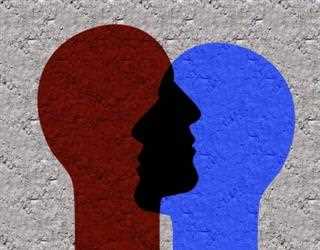
What is Trauma?
It results from exposure to an incident or series of events that are emotionally disturbing or life-threatening with lasting adverse effects on the individual’s

surprising health benefits of Sex
People who have sex have higher levels of what defends your body against germs, viruses, and other intruders. Researchers at Wilkes University in Pennsylvania f

Foods that Help or Harm your Sleep
If you could pick foods that may help you get the best sleep possible, would you? And if you knew which foods may hinder your restful slumber, would you avoid t
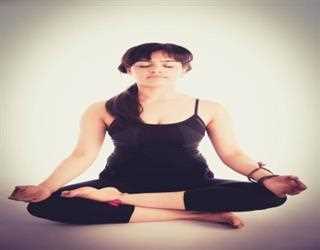
Yoga for better sleep
Taking out a couple minutes when you call it a night, making yourself and your body feel comfortable for bedtime is vital while you unwind towards the end of a