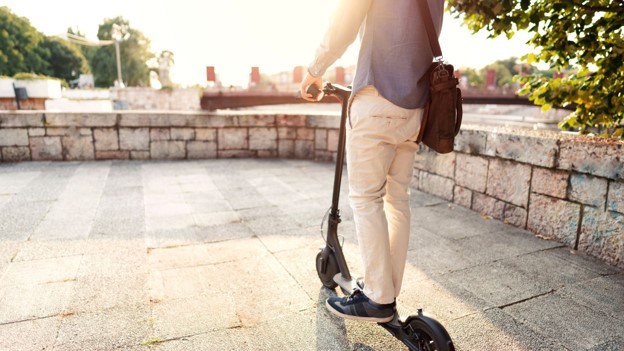
Let's be honest, getting around cities has become a genuine headache. Traffic is unpredictable on its best days, parking drains your wallet, and public transit rarely lines up with where you actually need to go. No wonder so many people are rethinking how they move entirely. Trips taken in 2023 on shared bike and scooter systems hit an all-time high of 157 million in the U.S. and Canada. That's not a niche trend. That's a fundamental shift in how urban life operates.
Portable transportation options have crossed over from curiosity to necessity, and for good reason. But to understand where this movement is headed, it helps to look at where it came from.
The Evolution of Portable Transportation: Meeting Modern Lifestyle Demands
For the better part of the 20th century, owning a car wasn't a choice; it was basically the default. Then things changed. Remote work has normalized flexible schedules. Cities grew denser. Environmental priorities started influencing everyday decisions in ways they simply hadn't before. Suddenly, the math on car ownership stopped making sense for a lot of people.
From Bulky Commutes to Compact Mobility
Here's the question urban residents started asking out loud: why own something that spends 95% of its life parked? It's a fair point. A quality foldable electric bike charges overnight, folds neatly into a corner, and turns a 10-mile commute into something almost enjoyable. That's not a small improvement; that's a genuine lifestyle upgrade.
The shift from car dependency to compact mobility didn't happen by accident. It came from real frustration, real innovation, and a generation of commuters tired of the same broken routine.
Sustainability as a Core Driver
Convenience alone didn't spark this revolution. Sustainability has been equally powerful. Carbon reduction targets, cleaner commuting habits, and a growing discomfort with emissions-heavy travel have all pushed people toward lighter, smarter options. The evolution from horse-drawn carriages to electric micro-mobility devices is honestly remarkable, and we're living through its most exciting chapter yet.
A Broad Spectrum of Portable Transportation Options
What's genuinely impressive about today's market is how wide the range has become. Whether you're commuting five miles or fifteen, working from a home office or downtown tower, there's likely something built for your exact situation.
Compact Solutions for Everyday Commuting
E-scooters, folding e-bikes, and micro-mobility vehicles have made it entirely realistic to skip the car for shorter trips. These devices are lighter than you'd expect, designed for practical everyday storage, and durable enough to handle real urban conditions, potholes included.
Portable transportation options shine especially in dense environments. When parking costs a fortune and traffic moves at a crawl, a device that folds and fits under your desk starts looking like the smartest investment you've made in years.
Eco-Conscious Urban Commuting Alternatives
The environmental case is straightforward. Electric and human-powered devices cut emissions meaningfully and consistently. Every electric commute is a small but real vote for better air quality and quieter streets. Choosing urban commuting alternatives isn't just personally beneficial; it contributes to something bigger.
Integrating Personal Mobility Devices into Multimodal Journeys
This is where things get genuinely clever. Personal mobility devices aren't meant to replace transit entirely, they're designed to close the gaps transit leaves open. Pair a folding e-bike with a subway ride, and you've created an efficient, flexible commute without a car in sight. According to the North American Bikeshare and Scootershare Association, 74% of riders use shared micromobility specifically to connect to transit.
Most modern devices also fold small enough to carry onto trains or tuck under a desk, which makes multimodal travel genuinely practical, not just theoretically appealing.
Standout Innovations Shaping Modern Transportation Solutions
Today's devices aren't just scaled-down bikes. They're smart, engineered tools, and the technology behind them keeps improving.
Smart Technologies Elevating User Experience
Mobile apps for GPS navigation, Bluetooth locking systems, and IoT-connected features have made riding safer and more intuitive than ever. Real-time tracking, route optimization around traffic, and remote battery monitoring, these aren't luxury features anymore. They're increasingly standard. For anyone managing both security concerns and a tight schedule, that matters enormously.
Design Breakthroughs: Transforming Portability
Ultra-light carbon fiber and magnesium alloy frames have cut weight without compromising structural integrity. Many devices now fold in under a second, small enough for a backpack or an overhead compartment on a flight. That's carry-on friendly. That's genuinely impressive engineering doing real-world work.
Smart Strategies to Maximize the Benefits of Portable Transportation
Owning the right device is only half the story. Getting full value from it takes a bit of intention.
Safety and Security Essentials
Register your device from day one. Use a quality lock, not an afterthought. Stay current on local e-bike regulations, because they vary more than most people realize. Helmet use and proper lighting aren't optional extras; in many jurisdictions, they're legally required. Start right, and you'll avoid the frustrations that catch unprepared riders off guard.
Cost Optimization and Long-Term Savings
Here's a number worth sitting with: research shows cyclists save upwards of £1,200 annually in transport costs. Factor in parking fees, fuel, and monthly transit passes, and a quality portable device typically pays for itself faster than most buyers anticipate. It's one of the cleaner financial decisions available to urban commuters today.
Sustainability and Positive Urban Impact
Every electric ride reduces congestion and emissions incrementally, but measurably. Collectively, portable travel options contribute to healthier, quieter cities. That's a benefit that extends well beyond the individual rider and into the community around them.
Moving Forward: Why Portable Transportation Belongs in Your Life
The argument for portable transportation options holds up across every dimension: financial, environmental, and practical. Modern transportation solutions aren't a passing trend; they're a smarter, more honest response to how cities actually function today.
Whether you're a seasoned professional streamlining a daily commute, a founder optimizing for efficiency, or simply someone tired of the same congested routine, there's a compact, capable device designed for your life specifically. The real question was never whether to try one. It's always been which one fits your situation best. Start there, ride smart, and the rest tends to take care of itself.
FAQs on Portable Transportation
1. What are the advantages of modern transportation?
Less road traffic means smoother, faster, and safer commutes for everyone. Reduced congestion translates directly to less time wasted, lower fuel consumption, and, genuinely, less road rage. Time reclaimed from traffic is time redirected toward productivity and personal well-being.
2. Are foldable electric bikes allowed on public transit?
Most transit systems permit a foldable electric bike when it's folded, though specific rules depend on your city and operator. Always confirm with your local transit authority before boarding; it takes two minutes and saves real hassle.
3. Can portable travel options work for long-distance commuting?
Modern e-bikes cover 20–40 miles per charge comfortably. For longer distances, pairing them with rail or rideshare service, a multimodal strategy, makes even lengthy commutes surprisingly manageable.


Leave a Comment