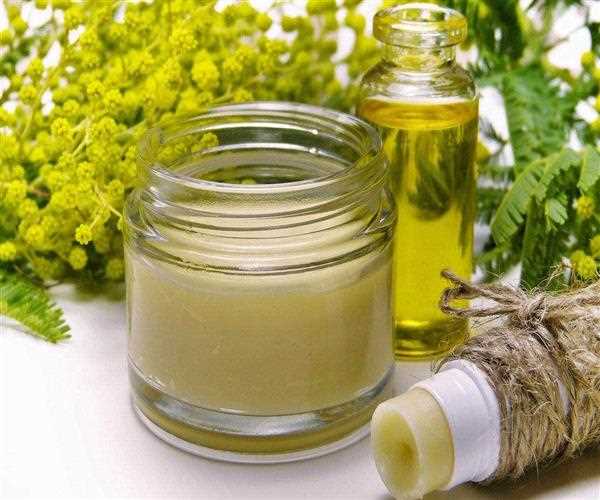
Ghee is a plain type of butter used in Middle Eastern and Indian cuisines. It is produced from cow's milk fat, which is cooked at a low temperature until the water evaporates, leaving only the milk solids. If necessary, the solids were degreased or filtered. Ghee, a clarified oil, is all that's left. Ghee retains more nutrients than traditional plain butter, as it is cooked at a low temperature, usually below 100 degrees.
In Ayurveda, a centuries-old alternative medicine system practiced in India, ghee is used along with herbal therapy. Ghee has recently gained popularity as a better alternative to regular butter due to its supposed spiritual and medicinal benefits. And it has an advantage, it also has a disadvantage.
Information about nutrition
One teaspoon of ghee provides the following nutrients:
- 42 calories
- 0 grams of protein
- 5 grams of fat
- 0 grams of carbohydrates
- 0 grams of fiber
- 0 grams of sugar
- Ghee is an excellent resource:
- Vitamin A is a fat-soluble vitamin and
- Vitamin C is a powerful antioxidant.
- Vitamin D is an important nutrient.
- It is a type of vitamin that contains vitamin K.
- Ghee is also a good source of vitamin E. Studies have shown that vitamin E has important antioxidant effects. Vitamin E and other antioxidants have been associated with a reduced incidence of cancer, arthritis, and cataracts. Vitamin E may also help prevent heart disease.
Potential Health Benefits of Ghee
Vitamins, antioxidants and healthy fats are abundant in ghee. Fat should be taken in moderation, but research has shown that fatty foods like ghee can help with the absorption of certain vitamins and minerals. Healthy meals and cooking vegetables in ghee can aid nutrient absorption.
According to research, Ghee consumption has been associated with a number of health benefits:
Effects on Inflammation
Ghee has been used topically in alternative Ayurvedic therapy to heal burns and edema. Ghee contains butyrate, a fatty acid with anti-inflammatory effects, but this has not been scientifically confirmed. Butyrate found in ghee has been shown in studies to reduce inflammation in the body.
Obesity Prevention
Ghee is a good source of CLA (conjugated linoleic acid). CLA has been shown in studies to help fight obesity. According to studies, the CLA found in ghee can help reduce excess weight gain. It may also help reduce body fat mass in some people.
Beneficial for Heart Health
Despite its high fat content, ghee contains a large number of monounsaturated Omega-3s. These beneficial fatty acids help maintain a healthy heart and circulatory system. Ghee has been shown to help lower harmful cholesterol levels when consumed as part of a balanced diet.
There Is A Healthy Alternative To Lactose Products
Milk solids are removed to make ghee. As a result, it only contains traces of lactose and casein, which are milk sugar and protein, respectively. Ghee is a type of butter.
Potential Dangers of Ghee
Because of its high fat content, ghee should be used in moderation as part of a healthy diet. See your doctor when deciding on the best nutritional options for you. Before adding ghee to your diet, keep the following in mind:
heart problems
While ghee can help reduce the risk of heart disease when consumed in moderation, too much saturated fat can increase the risk. People with additional heart disease risk factors should be cautious when adding ghee to a person's diet.
Gaining weight
Ghee contains CLA, which has been shown to help some people lose weight, but it's also a calorie- and fat-rich dish. Despite its health benefits, too much ghee can cause health problems.


Leave a Comment