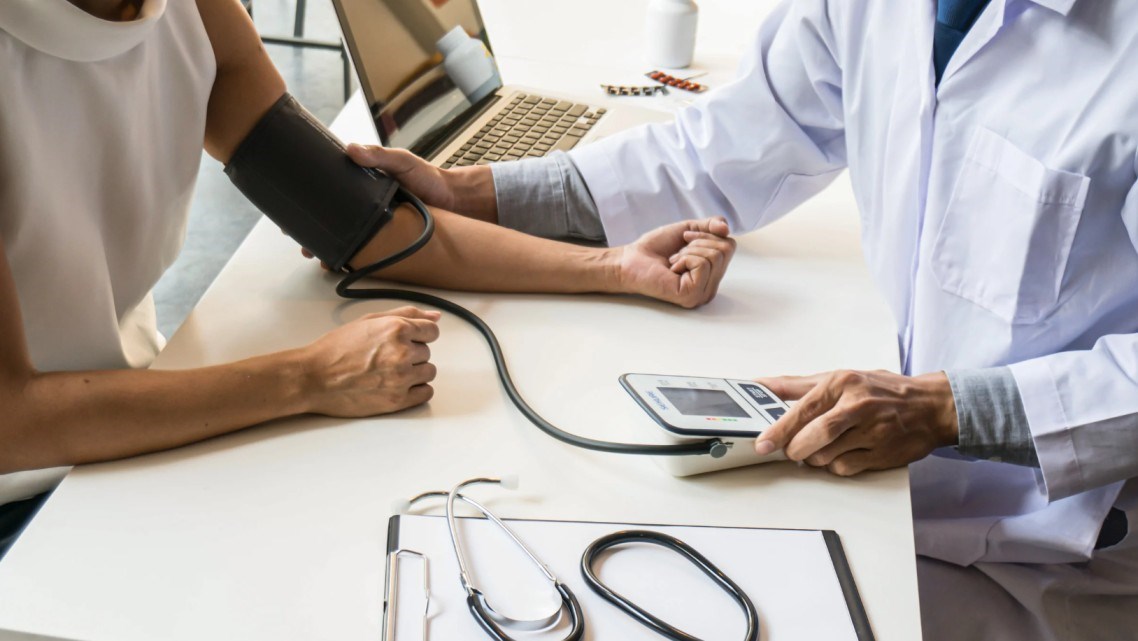
Think back to your last clinic visit. Chances are, if it's been more than a couple of years, you'd barely recognize the place now. That soul-crushing wait time? The forms you filled out three times with identical information? The complete information blackout about your own health status? Yeah, all that's getting kicked to the curb.
Modern health clinics have shed their depressing fluorescent vibe and emerged looking more like Apple stores than the dreary medical offices you remember. And here's the thing: this is about a complete overhaul of every single touchpoint, from the second you book until you walk out with actual answers about your health in 2025.
Digital Check-Ins Are Replacing Front Desk Lines
Your healthcare journey starts transforming before you even leave your house. Remember when you'd call during their mysterious "office hours" and get stuck in voicemail hell? These days, real-time booking platforms show you every available slot. Insomnia hit at 2 AM, and you suddenly remembered that overdue physical? Book it right then. Behind the scenes, predictive tech accounts for typical delays, people who ghost their appointments, and how long different visit types actually take.
Your Phone Is Now Your Medical File Cabinet
You know that crumpled insurance card you could never find? And scrambling to remember what medications your grandma took? That era is over. Healthcare innovations in 2025 have given us mobile apps that function as your complete medical command center. Every record, insurance verification, and even data from your fitness tracker syncs automatically without you lifting a finger.
When you're searching for a health clinic near me, you'll discover that cutting-edge facilities weave these digital capabilities seamlessly into everything they do. Healthcare suddenly feels less like dealing with the DMV and more like the rest of your connected life.
Walking In Without the Wait
QR codes on your phone eliminate that awkward front desk interaction. Quick scan, identity verification through the app, done. Some places even use biometric systems; your face becomes your ID card. Self-service kiosks knock out routine administrative stuff, which means actual staff can tackle complicated questions instead of drowning in paperwork.
Technology in the Exam Room Has Gotten Seriously Advanced
The real magic happens once you're with your provider. Clinic technology advancements have completely revolutionized what's achievable during one visit.
Testing That Doesn't Make You Come Back
Point-of-care diagnostic equipment delivers answers before you leave the building. Rapid PCR machines spit out results in 15 minutes, not three business days. Pocket-sized ultrasound devices let providers investigate things during routine appointments that previously meant specialist referrals and weeks of waiting.
Is that blood work requiring a separate lab trip? Modern clinics have analyzers processing samples during your visit. You walk out with clarity instead of anxiety-filled days waiting for someone to call.
Video Screens Connect You to Specialists
Exam rooms now come equipped with built-in video consultation tech. Got a mysterious rash that needs a dermatologist's eyes? Your primary doc can loop one in virtually on the spot. This hybrid model means multi-specialty expertise without driving all over town to separate appointments.
Telehealth use rates varied throughout the study period between 20.5% and 24.2%, with an average of 22.0% of adults reporting use of telehealth in the last four weeks. Remote monitoring equipment goes home with you for ongoing conditions. Devices continuously track vitals and ping your care team if numbers look concerning, stopping problems before they explode into emergencies.
AI That Actually Helps Your Doctor
Artificial intelligence in clinics isn't some scary replacement scenario; it's making your doctor sharper. Machine learning digs through your symptoms and history, surfacing patterns humans might overlook. Computer vision tech spots skin abnormalities with remarkable precision.
Natural language processing transcribes visits in real-time, freeing your provider to maintain eye contact instead of hunching over a keyboard. These automated notes organize themselves, extracting action items and follow-up requirements automatically.
The Physical Space Doesn't Feel Clinical Anymore
Changes in health clinics go way beyond software updates into the actual environment surrounding you. Design choices now actively contribute to healing and comfort.
Nature Brings Down Anxiety Levels
Living walls covered in plants and natural materials throughout create genuinely calmer atmospheres. Research confirms that biophilic design, weaving natural elements into spaces, measurably reduces patient stress. Circadian lighting systems shift throughout the day, replicating natural sunlight patterns that keep your body's rhythm balanced.
Serious soundproofing means you're not overhearing everyone else's private conversations. Some facilities even feature outdoor healing gardens where you can wait or meet providers when the weather cooperates.
Rooms That Transform Based on Need
Modular exam spaces reshape themselves for different specialties without needing separate buildings. A room handling routine physicals in the morning transforms into minor surgical procedures by afternoon. Private consultation pods ensure sensitive discussions stay genuinely confidential.
Family-friendly configurations accommodate kids and caregivers without cramming everyone into a closet-sized room. Isolation-ready rooms with sophisticated ventilation were uncommon before the pandemic; now they're baseline.
Accommodations for Different Needs
Quiet spaces with adjustable lighting support neurodivergent patients who struggle with sensory bombardment. Visual schedules and straightforward signage reduce uncertainty about what happens next. Weighted blankets and comfort tools are offered upon request. Priority scheduling lets sensory-sensitive individuals book slots during quieter hours.
You Can Get More Types of Care Under One Roof
Health clinic updates have broadened what's possible at primary care locations, cutting out those exhausting specialist runarounds.
Mental Health Integration Is Finally Here
Same-day counseling slots mean you don't suffer through weeks-long waits when you're struggling. Collaborative care approaches ensure your mental and physical treatments actually work together rather than accidentally contradicting each other. Substance use support and stress management programs are treated as normal healthcare components instead of separate, stigmatized issues.
Prevention Gets Equal Billing with Treatment
Nutritionist consultations happen alongside regular medical visits. Physical therapy areas within clinics make recovery convenient. Health coaching tackles chronic disease management through lifestyle modifications, not just pills. Fitness evaluations provide actual exercise prescriptions customized to your specific health situation.
Specialized Centers for Long-Term Conditions
Diabetes management hubs offer continuous glucose monitoring and patient education. Cardiac prevention programs detect heart disease before you experience symptoms. Respiratory clinics keep lung function testing equipment on-site. Women's health services comprehensively address everything from contraception to menopause transitions.
Safety Measures Are Visible and Reassuring
Modern health clinics approach infection control with serious commitment, using systems you can actually observe and verify yourself.
Air You Can Trust
HEPA filtration and UV-C purification operate continuously. Antimicrobial surfaces engineered with copper-infused materials actively eliminate pathogens. Touchless fixtures everywhere reduce contaminated contact points. Negative-pressure rooms contain infectious diseases when situations demand it.
Transparency About Capacity and Cleanliness
Real-time occupancy data appears in mobile apps, so you know exactly how crowded it'll be before leaving home. Separated waiting zones keep wellness visits isolated from sick visits. Outdoor waiting alternatives with text notifications give you actual choices. Enhanced cleaning protocols include visible verification; you can confirm exactly when your exam room last got sanitized.
Your Genetics Now Guide Your Treatment
Personalized medicine has jumped from a theoretical concept to everyday practice at numerous facilities.
Testing That Predicts Your Response
Pharmacogenomic testing reveals which medications will work optimally with your specific DNA. Cancer risk assessments through genetic screening identify problems early. Ancestry-based health analysis uncovers risks you might face based on your heritage. Treatment strategies get customized for your genetic profile rather than population-wide averages.
Continuous Tracking Prevents Emergencies
Remote monitoring devices track health indicators at home continuously. AI algorithms forecast health deterioration before symptoms emerge, giving providers intervention time. Population health management identifies vulnerable groups proactively. Personalized dashboards consolidate multiple health metrics in one accessible place.
Finding the Right Modern Clinic for You
With these improvements becoming standard, what should you actually prioritize when choosing your healthcare home?
Features Worth Prioritizing
Technology integration matters considerably, as does asking detailed questions about their digital health capabilities. Comprehensive services consolidated under one roof save enormous time and hassle. Patient satisfaction ratings reveal real user experiences. Quality certifications demonstrate commitment to maintaining standards.
Questions to Ask During Your Visit
What digital tools do they provide for appointment and record management? How do they integrate specialist care when situations require it? What telehealth options exist for follow-ups and routine concerns? How do they handle after-hours urgent situations? Their responses reveal how genuinely patient-centered they operate.
Final Thoughts on Modern Healthcare
The healthcare experience has undergone a fundamental transformation in ways that genuinely matter to real humans like you. You don't need to battle administrative nightmares or endure weeks of anxious waiting anymore. Technology hasn't stripped away the personal touch; it's actually liberated providers to concentrate on what truly matters: your well-being.
Whether you need routine maintenance care or support managing complicated conditions, today's clinics deliver tools and services that literally didn't exist just a few years back. The future of healthcare isn't some distant promise; it's already operating right now, ready for your next appointment.
Common Questions About Today's Health Clinics
1. How much more expensive are modern clinics compared to traditional ones?
Not necessarily pricier at all. Many actually slash costs through improved efficiency and preventive focus. Technology eliminates redundant testing, and expanded services prevent expensive emergency department visits. Transparent pricing structures help you understand costs upfront.
2. Do digital health tools replace seeing my doctor in person?
Absolutely not, they enhance in-person care by enabling easier and more frequent communication. Virtual visits handle follow-ups and routine concerns brilliantly, while face-to-face appointments tackle physical examinations and complex diagnoses. You end up with more total access.
3. Are these modern features available everywhere?
Adoption varies significantly by geography and individual facility. Urban areas currently offer more options, but the technology is spreading quickly. Rural clinics are catching up through telemedicine partnerships and mobile health units delivering advanced care to remote communities.


Leave a Comment