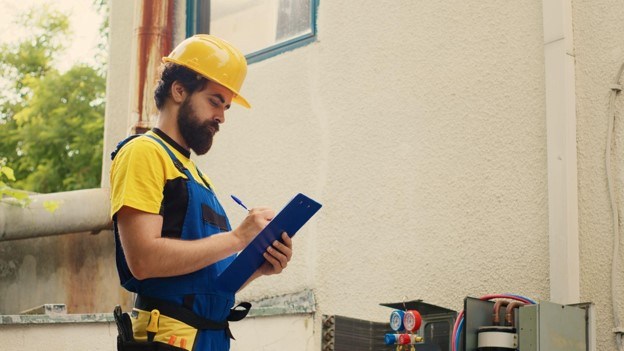
Little house problems have a sneaky habit of waiting until the worst possible moment to become expensive. A slow drip. A soft spot near a window. A gutter that “mostly works.”
Regular home inspections help you catch those issues while they’re still manageable, which is one of the easiest ways to protect property value over time. They also give you practical home maintenance tips you can actually use, instead of vague advice you forget by Monday.
That’s the real home inspection importance in everyday life: fewer surprises, fewer emergency calls, and a home that holds up better year after year.
Essential Reasons to Schedule Routine Inspections for Property Value
A home can look calm from the street and still be quietly changing behind the scenes. Weather, moisture, age, pests, heat, and everyday use all leave marks. You may not notice them right away, but an inspector often will.
And the numbers back this up: “42% of major issues are identified during the home inspection”.
Early Detection Protects Home Value
The earlier you spot trouble, the less power it has over your budget. Small roof leaks, minor plumbing drips, loose wiring, foundation hairline cracks, and soft wood near damp areas can all chip away at resale value if ignored.
Buyers notice patterns. They can usually tell when a home has been carefully maintained versus quickly patched before listing photos.
New Jersey homes have their own mix of challenges, too. Humid summers, coastal air, older houses, heavy storms, and basements that love to hold onto moisture can create hidden problems. If you notice musty smells after rain, staining near vents, or dampness that keeps coming back, scheduling mold inspection services in New Jersey can help you understand whether moisture is becoming a bigger concern.
Inspections Before Buying or Selling
Inspections are useful long before a buyer walks through the door. When you take care of issues early, you’re also building proof that your home has been responsibly maintained.
That proof matters. A clean inspection history can calm nervous buyers, support stronger offers, and reduce last-minute drama. Sellers get a chance to fix problems before an appraiser or buyer turns them into bargaining chips.
But inspections are not just for transactions. Honestly, they’re just as valuable when you plan to stay put. Peace of mind counts too.
Overlooked Benefits That Go Beyond Visible Defects
Paint can make a room look fresh. It cannot fix trapped moisture, poor airflow, aging wiring, or insulation gaps hiding behind walls. Routine inspections give you a clearer picture of what is happening where you cannot easily see.
Whole-Home Health Checks
A house has systems, and those systems can underperform quietly for months. Attic ventilation, insulation, HVAC equipment, plumbing, and electrical components may all show early warning signs before anything looks “broken.”
That slow decline can raise energy bills, create odd smells, invite pests, or make rooms feel uncomfortable.
Many inspectors now use tools like infrared cameras, drones, and moisture meters. These do not replace experience, but they do help catch concerns that the naked eye might miss. Think of it as a health checkup for your house. Not glamorous, sure. But incredibly useful.
Sustainability and Energy Savings
Once hidden weak spots are found, you can stop wasting money on problems you did not know existed. Drafty windows, thin insulation, leaky ducts, and poor air sealing force your home to work harder than it should.
Drainage also plays a big role in both efficiency and damage prevention: “35.8%, Improper Surface Grading/Drainage… reported by 35.8% of the survey respondents”.
Good grading helps move water away from the foundation. Better moisture control can protect the structure, reduce indoor dampness, and make the home feel healthier overall.
Personalized Guidance You Can Actually Use
Generic weekend checklists are fine, but your home has its own personality. Maybe your attic needs better ventilation. Maybe your basement needs drainage attention. Maybe the gutters are the villain. Every house has a story.
A good inspection report turns findings into practical home maintenance tips based on what is actually happening. Photos, repair priorities, and seasonal reminders make the advice easier to follow.
Some homeowners even use apps to track maintenance dates and store reports. In the future, you will be grateful. I am very grateful.
Action Plan: Home Maintenance Tips from Experienced Inspectors
Recommendations are only useful if they become habits. You do not need to inspect every corner of your home every weekend. Please don’t. A simple routine is enough to keep small issues visible.
Seasonal Property Checkups
Seasonal checkups help you stay ahead of weather-related wear. In fall, clean gutters, look at roof edges, and clear leaves away from foundation walls. Water needs a place to go, and you do not want that place to be your basement.
Before winter, test the heating system, check for drafts, and look at exposed pipes. In spring, inspect basements, crawl spaces, and attic areas after storms. Watch for moisture, staining, musty odors, or anything that looks newly damaged.
Annual Must-Do Review
Once a year, do a deeper review. Walk around the foundation. Check attic ventilation. Look under sinks. Review plumbing connections. Open the electrical panel area and notice whether there are heat marks, buzzing sounds, or unusual smells.
If a big storm hits, or if your basement stays damp longer than it should, do not wait for next year’s reminder. That is when specialty testing, moisture checks, and mold evaluations can save real money.
Quick Comparison: Routine Checks vs. Waiting
| Approach | What Usually Happens | Effect on Long-Term Value |
| Routine inspections | Small defects are found early and documented | Helps protect value and buyer confidence |
| Waiting for visible damage | Repairs often become larger and more stressful | Can weaken offers and raise repair costs |
| Seasonal checklists | Weather-related wear is managed on time | Keeps the home steadier year-round |
| No written records | Maintenance is harder to prove later | Buyers may ask for bigger concessions |
With a basic plan in place, the next question is fair: does this effort really pay off?
Maximizing Return with Trusted Inspection Services
Routine inspections can feel like one more thing on the homeowner's to-do list. But they often pay back by reducing emergency repairs, supporting resale value, and giving buyers fewer reasons to hesitate.
How Documentation Supports Property Value
Buyers are not just buying bedrooms and square footage. They are buying confidence. A home with documented repairs, moisture checks, safety updates, warranties, and steady maintenance feels less risky.
That can matter during negotiations. Instead of scrambling to explain an old stain or patched area, you can show what happened, when it was fixed, and whether it was checked again.
Paper trails are not exciting. But during a sale? They can be gold.
Choosing the Right Inspectors
The quality of your inspection depends on the person doing it. Look for licensed inspectors with strong local reviews, clear sample reports, insurance, and experience with homes like yours.
Local experience matters, especially in areas with older housing, storm exposure, basements, crawl spaces, or recurring moisture concerns. Ask what tools they use, how detailed the report will be, and whether they explain priorities clearly.
You want someone who helps you understand the home, not someone who drops a confusing report in your inbox and disappears.
When Specialty Services Make Sense
A general inspection is a strong starting point, but some concerns need focused testing. Mold, radon, pest damage, chimney issues, roof problems, and lead hazards may require specialty evaluation.
This is especially useful before listing a home. Specialty reports can answer buyer questions early, remove doubt, and keep a deal from getting stuck over uncertainty.
New Trends Making Home Inspections More Useful
Inspections are becoming easier to track, store, and understand. The basics still matter most, but newer tools can help homeowners catch changes faster.
Digital Reports and Smart Monitoring
Smart leak sensors, humidity monitors, smoke alerts, and maintenance apps can warn you before damage spreads. That is a big deal if you travel often or have a finished basement.
Digital inspection reports are also easier to save and share during a sale. They make it simple to compare past findings with current conditions, which is especially helpful in older homes.
Remote Support and AI-Assisted Notes
Remote support cannot replace a full in-person inspection. Still, it can help with follow-up questions. Photos, short videos, and app-based notes can help an inspector decide whether something needs urgent attention.
AI-assisted tools may also make summaries and reminders faster. But judgment still matters. Technology should support trained eyes, not replace them.
Insurance and Neighborhood Benefits
Consistent inspections may help reduce risk for insurers by showing that the home is being maintained. Some carriers may look favorably on roof updates, water shutoff devices, alarm systems, or documented repairs.
Well-maintained homes help neighborhoods too. Fewer neglected roofs, drainage problems, and safety hazards mean fewer expensive surprises for everyone nearby.
Maintaining Your Property’s Value: A Practical Checklist
Consistency is what makes inspections valuable. Keep the routine simple enough that you will actually do it.
Home Value Preservation Checklist
Use this short list to stay on track without overthinking it:
- Check roof edges, gutters, grading, and basement moisture each season.
- Review attic ventilation, insulation, plumbing, and electrical panels once a year.
- Save inspection reports, repair receipts, photos, and warranty papers in one folder.
- Schedule specialty checks after storms, leaks, odors, pest signs, or before listing.
How to Stay Consistent
Do not try to inspect the whole house on Saturday. Break tasks into smaller reminders. One month, check gutters. Another month, review under-sink plumbing. Keep it manageable.
If something looks off, take photos and write down the date. That tiny habit can help an inspector tell whether a problem is new, recurring, or getting worse.
Final Thoughts on Protecting Your Home’s Future
Regular inspections protect your home, your budget, and your future sale price. They uncover hidden problems, guide smarter repairs, and create records buyers appreciate.
The real benefits of regular home inspection show up in fewer surprises, safer living, and stronger long-term confidence. Keep reports organized, act early when something feels wrong, and treat maintenance as part of owning a valuable asset.
A well-watched home usually stays a more valuable home.
FAQ
How often should I schedule a home inspection for my primary property?
Most homeowners benefit from a full inspection every few years, with seasonal self-checks in between. Older homes, storm-prone areas, and properties with past moisture problems may need more frequent reviews to protect property value.
Are digital inspections as effective as in-person inspections?
Digital tools are helpful for photos, reminders, follow-ups, and simple checks. They cannot fully replace an in-person inspection, where a trained inspector can test systems, access hidden areas, and notice subtle warning signs.
What happens if the inspection finds something major?
Do not panic. A major finding gives you direction. Get repair estimates, handle safety issues first, document every fix, and schedule a recheck so the issue does not continue hurting value.
Should I get specialty inspections before selling?
Often, yes. If you have had leaks, odors, pests, drainage issues, or storm damage, specialty reports can answer buyer concerns early and reduce negotiation stress.


Leave a Comment