For decades, sending money to another country was slow and expensive. Banks often advertised low fees but quietly added a markup to the exchange rate, so customers lost money without realising it. Wise was built on a simple promise: show the real exchange rate and a clear fee upfront.
Two Friends and a Clever Workaround
Wise began as TransferWise, founded in London in 2011 by Kristo Käärmann and Taavet Hinrikus, two friends from Estonia. Hinrikus had been one of Skype’s first employees and was paid in euros while living in London. Käärmann worked in London, earned pounds and had a mortgage in Estonia that needed euros.
They noticed how much their banks were taking on each transfer. So they started swapping money with each other at the mid-market rate. Käärmann put pounds into Hinrikus’s UK account, and Hinrikus put euros into Käärmann’s Estonian account. Neither paid hidden fees. Their startup turned that personal arrangement into a system that worked for millions of people.
Money That Never Really Crosses Borders
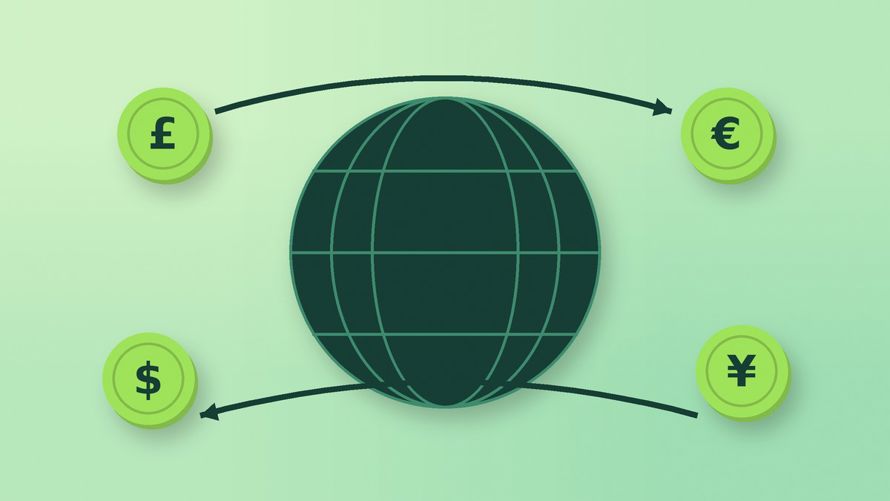
TransferWise’s model avoided much of the costly international banking system. When a customer sent pounds to Europe, the money was paid into TransferWise’s UK account, and the recipient was paid from its European account. By matching flows in different directions and managing its own balances, the company could move money faster and more cheaply.
Transparency became its brand. It showed customers the mid-market rate and its fee clearly, and campaigned against hidden exchange rate markups, at one point staging a memorable protest in London to make the point.
Growing Through Recommendation
TransferWise grew largely through word of mouth. People saved money, told their friends, and those friends signed up. The company cut its prices as it grew, passing on savings from scale and efficiency to customers.
It added a multi-currency account, letting people hold and convert dozens of currencies, and a debit card for spending abroad. Businesses used it to pay suppliers and staff in other countries. It also built Wise Platform, which lets banks and other companies use its payment network inside their own apps. In 2021, the company renamed itself Wise.
A Different Kind of Listing
Wise went public in London in July 2021 through a direct listing, rather than a traditional IPO, letting existing shares trade straight away. It was profitable, unlike many fintech companies at the time. It later decided that the US was its biggest growth opportunity and moved its primary listing to Nasdaq, while keeping a secondary listing in London.
Where Wise Stands in 2026
Wise began trading on Nasdaq on 11 May 2026. For the financial year ending March 2026, it reported about 243 billion dollars in cross-border volume, up 31 percent, and customer holdings of about 39 billion dollars, up 40 percent. In its final quarter, it had about 11.3 million active customers, up 22 percent, and around three-quarters of its transfers arrived instantly.
The company is now reporting in US dollars and under US accounting rules. Its challenges include intense competition from banks, Revolut and newer payment apps, the pressure to keep fees low while staying profitable, and strict rules on preventing money laundering across many countries.
How Wise Makes Money
Wise makes most of its money from transparent fees on transfers and currency conversions. It does not hide charges in the exchange rate, so the fee shown upfront is what it earns. Fees vary by currency route and the speed of payment, and Wise has steadily cut prices as it becomes more efficient. The Wise account and card add income from card payments and conversions when people spend abroad. Businesses pay for international payments, invoicing tools and batch payments to suppliers and staff. Wise also earns interest on the large balances customers hold in their accounts, and it shares part of this with customers through interest features in some countries. Wise Platform lets banks and other financial companies use its payment network inside their own apps, bringing in volume from partners’ customers. The company aims to keep its profit margin within a target range and reinvest any extra in lowering prices, which it believes drives long-term growth.
Lessons for Founders
Wise shows that a personal frustration can reveal a problem millions of people share. It also shows the power of transparency: when competitors rely on hidden costs, being open about price can be a strong advantage. And it proves that steady, profitable growth through happy customers can build a large company without heavy marketing.
Two friends swapping pounds and euros found a fairer way to move money. More than a decade later, that idea powers transfers for millions of people and businesses worldwide.