Most social networks are about people. Pinterest has always been about ideas. Users come to collect recipes, home designs, outfits, travel plans and wedding inspiration, often without caring who posted them. That simple difference shaped the company’s product, its audience and its business.
A Collector’s Idea
Pinterest was co-founded by Ben Silbermann, Paul Sciarra and Evan Sharp. Silbermann had worked at Google but wanted to build his own product. He had loved collecting things as a child, from insects to stamps, and the idea of an online collection board stuck with him. The team started working on the product in 2009, and Pinterest launched in a closed beta in March 2010.
Each user could create boards on any theme and “pin” images from around the web onto them. Click an image, and it led back to the original site. It was a digital version of a cork board covered in magazine clippings.
A Very Slow Start
Pinterest did not take off immediately. Months after launch, it had only a few thousand users. Silbermann reportedly wrote personal emails to early users and even handed out his phone number to get feedback. The company also found that its most passionate early users were not Silicon Valley tech fans but people in other parts of the US who loved design, crafts and food.
Instead of chasing the tech crowd, Pinterest leaned into this community. It hosted meetups, worked with bloggers and creators, and made it easy for them to share boards. Growth slowly picked up through word of mouth, and by 2011 and 2012 Pinterest was one of the fastest-growing websites in the US.
Why Pinterest Feels Different
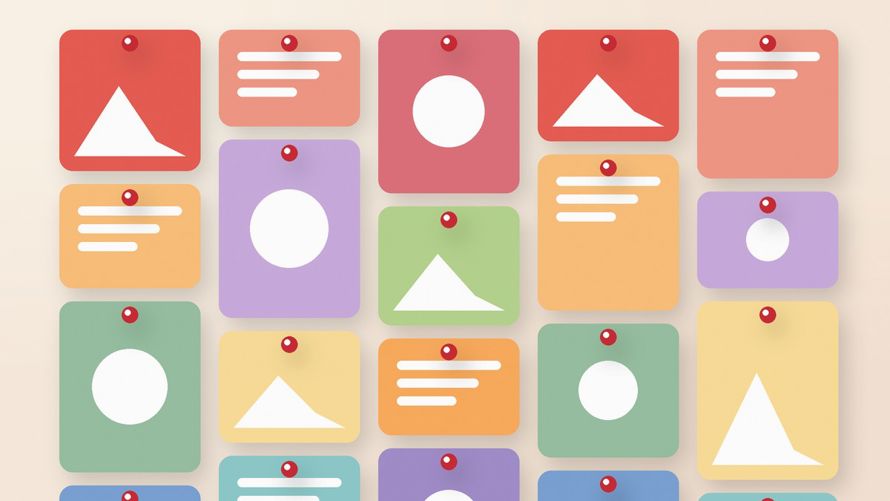
The platform’s design made it unusual. The masonry-style grid of images, with pictures of different heights fitting together, made browsing pleasant. There were few arguments, little news and relatively low pressure to be popular. People used Pinterest to plan their own lives: what to cook this week, how to decorate a room, what to wear on holiday.
That intent is valuable. When someone saves ten ideas for a new kitchen, they are often close to buying something. This made Pinterest attractive to advertisers, especially in categories such as home, fashion, beauty and food.
Building a Business
Pinterest began testing ads, called Promoted Pins, in 2013 and steadily expanded its advertising tools. It went public on the New York Stock Exchange in 2019. During the pandemic, usage surged as people spent more time at home planning projects, and then fell back as life reopened, which hurt its share price.
In 2022, Silbermann handed over the chief executive role to Bill Ready, a payments and commerce executive who had worked at PayPal and Google. Ready pushed Pinterest to become more shoppable, making more pins clickable to buy products and improving tools for advertisers who wanted measurable sales rather than just brand awareness.
Where Pinterest Stands in 2026
Pinterest’s audience is larger than ever. In the third quarter of 2026, it reported an all-time high of 661 million monthly active users, up 10 percent from a year earlier, and revenue of about 1.17 billion dollars, up 12 percent. Most of its user growth now comes from outside the US and Canada. The company says its AI-driven visual search and shopping features are making the platform more useful for both users and advertisers.
Investors remain cautious, however. The stock fell sharply after the latest results, as markets focused on profit pressure and the outlook rather than the user milestone. Pinterest also earns far less per user outside North America, so turning international growth into revenue is one of its biggest tasks.
How Pinterest Makes Money
Pinterest earns almost all of its revenue from advertising. Businesses pay to promote pins that appear in users’ home feeds and search results, often looking very similar to regular content. Because people use Pinterest to plan purchases, advertisers can reach them earlier in the buying process than on many other platforms, when they are still deciding what to buy. Pinterest has invested heavily in performance advertising, where brands pay for measurable results such as clicks to a product page or completed sales. It has also built shopping tools that pull in product catalogues from retailers, so items in images can be bought directly. Partnerships with large ad technology companies help it fill ad space and reach more advertisers. Pinterest earns much more per user in the US and Canada than in other regions, so increasing advertising revenue in Europe and the rest of the world is one of its biggest opportunities.
Lessons for Founders
Pinterest shows that the right early community may not be the obvious one. Its founders found their audience among hobbyists and home planners, not tech insiders, and built for them. It also shows that a calm, useful product can stand out in a noisy social media world. And it is a reminder that intent is valuable: helping people plan what they will do or buy creates a natural link to commerce.
A collector’s idea of an online pinboard has become a planning tool used by hundreds of millions of people. Its quiet difference from other social networks remains its biggest strength.