NASA Opens Applications for Its Next Generation of Astronauts
NASA has officially opened applications for its next astronaut candidate class as the US space agency prepares for a new era of human space exploration.
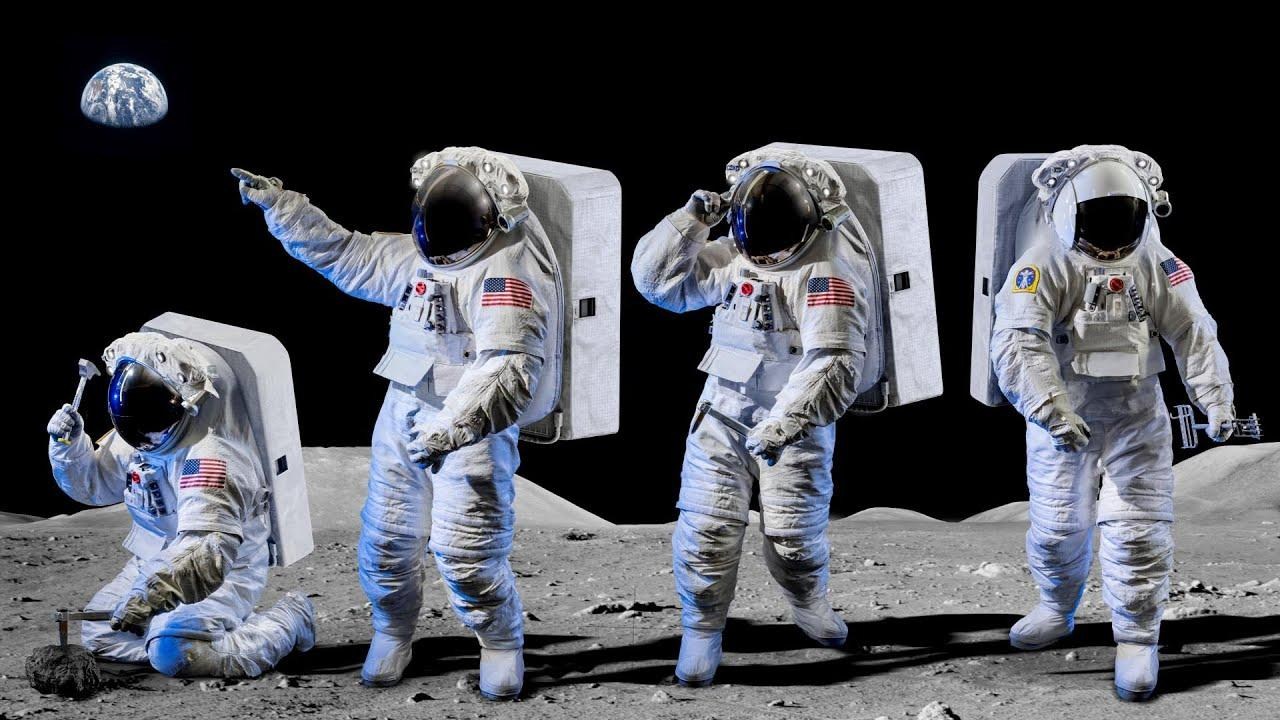
Announced on November 7, 2026, the recruitment drive aims to find qualified candidates who could participate in future Moon missions, help establish a sustainable human presence on the lunar surface and support the development of technologies needed for crewed missions to Mars.
NASA says the selected candidates will train to operate on the lunar surface, live and work beyond Earth and take part in increasingly challenging space exploration missions.
The application window is limited. Interested candidates must submit their applications by 11:59 p.m. Eastern Time on December 3, 2026.
NASA expects to announce its final selections in late 2027.

Why Is NASA Recruiting More Astronauts?
NASA's astronaut recruitment comes as the agency expands its Artemis programme and develops plans for a sustained human presence on the Moon.
Unlike the Apollo missions, which focused on reaching the Moon and returning astronauts safely to Earth, the Artemis programme aims to establish a longer-term human presence and expand scientific exploration.
The new astronaut candidates could contribute to several important objectives:
- Exploring the lunar South Pole.
- Conducting scientific experiments on the Moon.
- Supporting future lunar habitat operations.
- Testing equipment and technologies for long-duration missions.
- Preparing for future human missions to Mars.
NASA currently has 32 active astronauts in its astronaut corps. Since the 1960s, the agency has selected 370 people to train as astronaut candidates.
The next recruitment cycle will help prepare the workforce needed for the agency's increasingly ambitious exploration plans.
Who Can Apply to Become a NASA Astronaut?
Becoming a NASA astronaut is highly competitive. The agency has established educational, professional and medical requirements for applicants.
The most important eligibility conditions include:
| Requirement | NASA Criteria |
|---|---|
| Citizenship | United States citizenship |
| Education | Master's degree in a qualifying STEM field |
| Professional experience | At least three years of related experience after the qualifying degree |
| Medical fitness | Must pass NASA's long-duration astronaut flight physical |
| Personal abilities | Leadership, teamwork and communication skills |
Qualifying STEM fields include:
- Engineering
- Biological science
- Physical science
- Computer science
NASA also accepts certain alternative qualifications, including at least two years of relevant doctoral study, qualifying medical degrees and recognised test-pilot school programmes.
Applicants with medical qualifications or relevant pilot experience may also satisfy specific professional requirements through alternative pathways.
Do You Need to Be a Pilot to Become an Astronaut?
No. NASA does not require every astronaut candidate to have a professional flying background.
Scientists, engineers, medical professionals and other qualified specialists can apply if they meet the agency's eligibility criteria.
However, applicants using aviation experience to satisfy the professional experience requirement must meet specific flight-hour standards.
These include:
- 750 hours as pilot in command of high-performance jet aircraft.
- 1,500 total flight hours, including 750 hours as pilot in command, in other fixed-wing aircraft.
- 1,000 total flight hours, including 300 hours as pilot in command, in rotary-wing aircraft.
This approach allows NASA to recruit people with different professional backgrounds and technical expertise.
What Training Will New Astronaut Candidates Receive?
Selected applicants will undergo extensive training before becoming eligible for spaceflight assignments.
NASA's astronaut training includes several important areas:
- Spacewalk training: Candidates learn how to work outside a spacecraft while wearing specialised spacesuits.
- Lunar geology: Astronauts study the Moon's surface, geological formations and scientific exploration techniques.
- Spacecraft operations: Candidates learn how to operate spacecraft systems and support complex missions.
- Survival and emergency procedures: Astronauts prepare for unexpected situations during spaceflight and exploration.
- Physical and teamwork training: Long-duration missions require excellent physical conditioning, communication and cooperation.
The training programme is expected to take approximately two years, although additional experience and mission-specific preparation may be required before an astronaut flies into space.
How Does the Artemis Programme Connect to Future Moon Missions?
NASA's Artemis programme is central to its long-term human exploration strategy.
The programme aims to return astronauts to the lunar surface, develop new exploration capabilities and establish the foundation for a sustained presence on the Moon.
The lunar South Pole is particularly important because scientists are interested in its permanently shadowed regions, which may contain water ice and other valuable resources.
These resources could potentially support future exploration, including water supplies and technologies for producing rocket propellant.
The programme also involves international partners and commercial companies developing spacecraft, lunar landers, spacesuits and other exploration technologies.
For more background, read about NASA's Artemis programme and its Moon exploration plans.
NASA's Long-Term Goal: Human Missions to Mars
The Moon is not NASA's final destination.
The agency considers lunar exploration an important step towards sending humans to Mars.
Future missions to Mars will require technologies that support astronauts during much longer journeys and challenging surface operations.
NASA is studying several areas, including:
- Advanced propulsion systems.
- Radiation protection.
- Life-support technologies.
- Long-duration space habitats.
- Autonomous robotic systems.
- Sustainable food and water supplies.
Experience gained from living and working on the Moon could help researchers understand how humans can survive and operate on another planet.
However, crewed Mars missions remain a longer-term objective, not an immediate assignment for the new astronaut class.
How Many Astronauts Will NASA Select?
NASA has not announced the exact number of candidates it plans to select for the next class.
The previous recruitment cycle attracted more than 8,000 applications in 2024. In September 2025, NASA selected just 10 astronaut candidates.
The new recruitment programme is expected to produce its final selections in late 2027.
Those selected will join an astronaut corps responsible for supporting research, spaceflight operations, lunar exploration and future missions beyond Earth.
Can Candidates From India Apply?
No. This particular NASA astronaut recruitment programme is restricted to United States citizens.
Although NASA works with international partners on space exploration, candidates must meet the citizenship requirements for direct entry into its astronaut corps.
Indian citizens interested in becoming astronauts can explore opportunities through India's own space programme and the Indian Space Research Organisation (ISRO), subject to its recruitment and selection requirements.
India is also developing its human spaceflight capabilities through the Gaganyaan programme.
Conclusion
NASA's latest astronaut recruitment drive represents another important step in preparing for the future of human space exploration.
The next generation of astronauts could help explore the lunar South Pole, support a future Moon base and develop the knowledge required for crewed Mars missions.
With applications open until December 3, 2026, qualified US citizens have a limited opportunity to join NASA's astronaut corps.
The journey from application to spaceflight is long and highly competitive, but the selected candidates could become part of some of humanity's most ambitious exploration missions.
Sources and References
NASA Official Announcement – NASA Seeks Next Generation of Explorers to Join Astronaut Corps
NASA Astronaut Candidate Application Information