Introduction
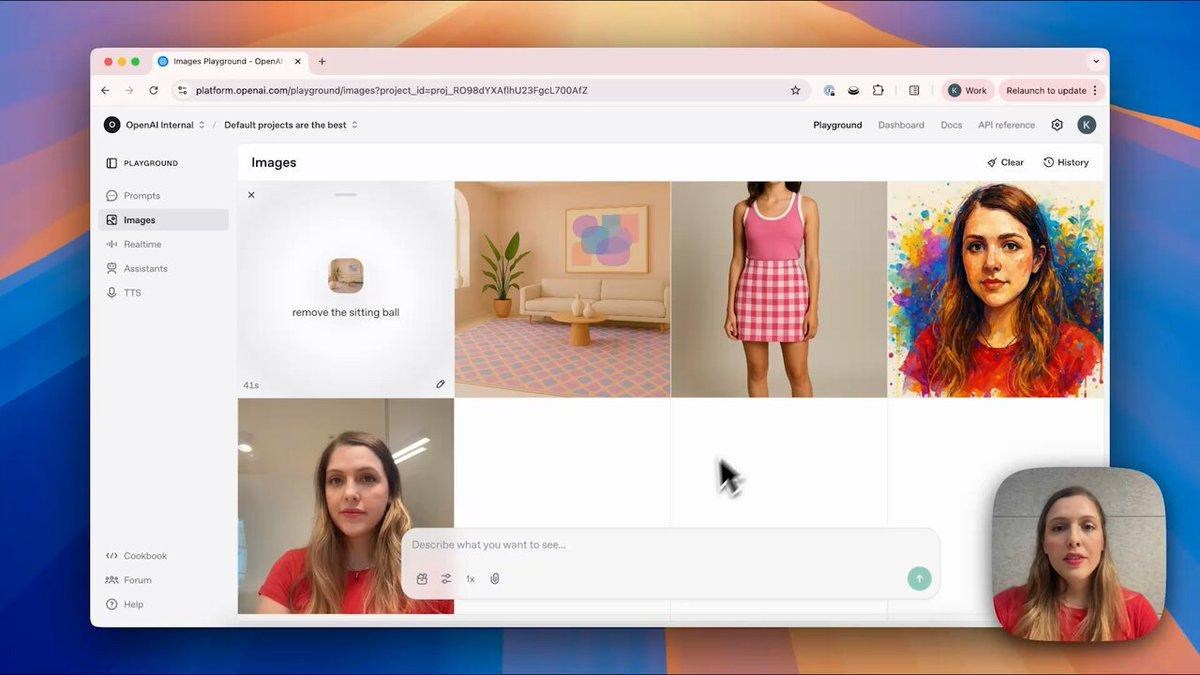
OpenAI has introduced Images 2.6, its latest image-generation model, bringing animated GIF creation, faster image generation, and improved editing capabilities to ChatGPT.
Announced on November 4, 2026, the update expands AI-powered image creation beyond static pictures. Users can now turn text prompts, sketches, product photographs, and characters into short animated GIFs.
OpenAI says Images 2.6 generates images approximately 50% faster than its predecessor. The company is also introducing two new API models, GPT-Image-2.6 Flare and GPT-Image-2.6 Sunburst, giving developers more control over image-generation speed, quality, and editing consistency.
The announcement represents another step toward making AI image generation useful for professional design, marketing, social media, and software development workflows.
What Is New in OpenAI Images 2.6?
The latest update introduces several improvements designed for both everyday users and professional creators.
The major additions include:
- Native animated GIF generation.
- Approximately 50% faster image generation.
- Reusable reference images.
- Improved consistency across editing sessions.
- Individual frame editing and playback-speed controls for GIFs.
- SVG exports for supported workflows.
- New API models for developers.
These improvements make it possible to move from a simple image-generation prompt to more complete creative production workflows.
1. OpenAI Introduces Native GIF Generation
One of the biggest additions in Images 2.6 is the ability to create animated GIFs directly through ChatGPT.
Previously, users generally needed external animation tools or video-editing software to turn generated images into animations. With the new feature, users can describe the animation they want and ask ChatGPT to generate a looping GIF.
For example, users can request:
- A cartoon character waving its hand.
- An animated brand mascot for social media.
- A product image with moving visual elements.
- Reaction GIFs and memes.
- Short animated storyboards for video projects.
- A character performing a sequence of actions.
Users can also upload a sketch or an existing image and ask ChatGPT to animate it.
The GIF feature includes playback-speed controls, frame-by-frame viewing, editing capabilities, and sharing options.
2. Image Generation Becomes 50% Faster
Speed is another major improvement in Images 2.6.
OpenAI reports that the new model generates images approximately 50% faster than before.
This improvement is particularly useful for designers and marketers who frequently generate multiple image variations.
According to OpenAI, the Flare API model can generate low-quality images in as little as six seconds.
Faster generation can help businesses:
- Create marketing graphics quickly.
- Generate multiple advertising concepts.
- Experiment with different visual styles.
- Produce social media creatives.
- Reduce waiting time during editing workflows.
OpenAI also reports that users generate more than four billion images every week across ChatGPT and its API.
3. Two New API Models: Flare and Sunburst
Alongside the ChatGPT release, OpenAI has introduced two API models for developers.
| Feature | GPT-Image-2.6 Flare | GPT-Image-2.6 Sunburst |
|---|---|---|
| Main focus | Speed and iteration | Detail and consistency |
| Generation | Faster image creation | Higher-quality images |
| Best suited for | Posters and product visuals | Detailed creative projects |
| Low-quality generation | As fast as 6 seconds | Quality-focused workflows |
| Editing consistency | Improved | Greater consistency at medium and high quality |
Flare is designed for quick creative iterations, while Sunburst targets workflows requiring more visual detail and consistency across multiple editing rounds.
Developers can select the model that best matches their application's requirements.
4. Reusable Reference Images Improve Character Consistency
Another important addition is reusable reference images.
Users can save reference photographs and reuse them in future image-generation conversations without uploading the same images repeatedly.
For example, a creator can save a character reference and generate multiple images featuring that character in different environments, poses, or situations.
This can be particularly useful for:
- Brand identity and marketing campaigns.
- Children's story illustrations.
- Consistent characters across web stories.
- Product photography.
- Social media content creation.
- Educational illustrations.
The feature is intended to preserve important visual details such as characters, clothing, products, and brand elements across editing sessions.
5. SVG Exports and More Precise Image Editing
Images 2.6 also expands editing capabilities for developers and professional designers.
OpenAI is bringing image markup into its API, allowing developers to identify specific areas of an image and request targeted changes.
The model also supports SVG exports for suitable generated designs, making it easier to use visual assets in websites, applications, and print projects.
Another addition is a new complexity parameter, which controls how much planning the model applies before generating an image.
- Low complexity is suitable for simple edits and faster results.
- Medium complexity provides additional planning for more involved requests.
- High complexity is intended for scenes with multiple elements and detailed constraints.
This gives developers more control over the balance between generation speed and visual requirements.
6. Availability: Where Can Users Access Images 2.6?
OpenAI says Images 2.6 is rolling out globally through ChatGPT and Codex across subscription tiers on desktop, mobile, and the web.
The two API models are also available for developers:
gpt-image-2.6-flaregpt-image-2.6-sunburst
GIF creation is rolling out in ChatGPT, so availability of individual features may vary during the rollout.
Developers can explore the official documentation and integration details through the OpenAI Images 2.6 announcement.
What Does Images 2.6 Mean for Developers and Businesses?
The introduction of native GIF generation could change how businesses create and distribute digital content.
For example, a content publishing platform can potentially integrate AI-generated visuals into its editorial workflow.
Consider a platform such as MindStick, where content creators publish technical articles, blogs, news, and educational stories.
Images 2.6 could support several workflows:
| Use case | Potential application |
|---|---|
| Technical articles | Generate diagrams and illustrations |
| Web stories | Create animated visual slides |
| Marketing | Produce promotional GIFs |
| KidsZone | Create animated educational characters |
| Social media | Generate reaction GIFs and promotional creatives |
| E-commerce | Create animated product visuals |
For ASP.NET Core developers, the image-generation API could also be integrated into background processing workflows using services such as Hangfire.
This would allow applications to generate images, prepare content assets, and save completed outputs for editorial review.
Conclusion
OpenAI Images 2.6 represents an important development in AI-powered creative tools. Native GIF generation, faster image creation, reusable reference images, and improved API controls extend the possibilities of automated visual content production.
The introduction of Flare and Sunburst also gives developers more flexibility when building applications that require image generation at different quality and speed levels.
As AI-generated images become part of everyday business workflows, the ability to create, edit, and animate visual content through a single platform could make creative production more accessible.
The biggest change is that AI image generation is moving beyond creating individual pictures toward producing reusable, editable, and animated visual content.