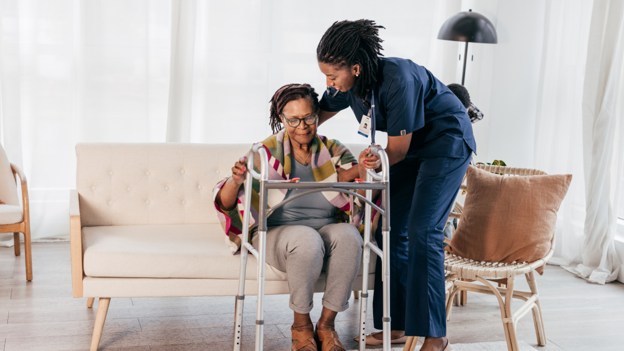
Watching a parent struggle with meals, bathing, medications, or loneliness can hit hard. It is even tougher when they keep saying, “I’m fine,” while you know they are not quite managing the way they used to.
Most families want help that feels respectful, steady, and personal, not rushed or cold. Good care lets older adults stay close to their routines while giving relatives a little breathing room. Here are ten practical ways professional support can protect a senior’s health, confidence, comfort, and dignity at home.
Transformative Benefits for Seniors and Families
Care needs can shift fast. One month, your loved one may only need help with groceries. A few months later, medication reminders or bathing support may become essential. Still, one thing stays true: seniors usually do better when care fits their actual life.
Only 29% of people with long-term care needs receive public formal care benefits and services, leaving many families to fill the gap themselves.
For many households, choosing home care services creates a practical middle ground between doing everything alone and moving a loved one into a facility. When comparing home care services, look closely at staff training, reliability, communication, and whether the care plan can change as needs change.
1. Personalized Care Plans for Every Unique Need
A thoughtful care plan begins with the person, not a checklist. It should consider health conditions, routines, food preferences, mobility, personality, sleep habits, and even small comforts that matter.
That is why in-home senior care can feel more natural than a standard facility routine. Support is built around the senior’s day instead of forcing the senior to fit someone else’s schedule. And honestly, that can make all the difference.
2. Comfort and Familiarity at Home
Home has power. The favorite chair, family photos, familiar hallway, and neighborhood sounds can all help seniors feel steady and safe.
The benefits of home care for seniors often include improved mood, less confusion, and a stronger sense of control. For someone with memory loss, familiar surroundings may be especially grounding. Staying home can help the day feel less frightening and more manageable.
3. Better Safety and Lower Health Risks
Good care is not just someone “stopping by.” The advantages of home care include fall prevention, medication reminders, mobility support, and early attention to small health changes before they become serious.
Wearable alert devices, fall sensors, and family update apps can add extra reassurance. But technology works best when paired with trained eyes and a caring human presence.
Daily Support That Protects Quality of Life
Safety matters, of course. But seniors also need connection, encouragement, and the right amount of help. Not too much. Not too little. Just enough to keep them safe without taking away independence.
4. Companionship and Emotional Well-Being
Loneliness can quietly damage health. One study found that formal home-based care reduces the risk of depression by 13 percentage points and loneliness by 6.7 percentage points.
That is why elderly home care services may include conversation, walks, hobbies, meal companionship, virtual family calls, or pet-friendly routines. A friendly face at the door can change the tone of an entire day.
5. Flexible Support Around Family Schedules
Some families only need a few hours a week. Others need overnight care, respite care, or extra help after surgery.
Flexible scheduling lets care fit real life. Work meetings, school runs, travel, and exhaustion are all part of caregiving. Reliable elderly home care services can help families keep going without running themselves into the ground.
6. Medical and Non-Medical Help in One Plan
Care may include bathing, dressing, meals, transportation, medication reminders, skilled nursing, wound care, or coordination with doctors. Certified providers usually offer staff training, background checks, supervision, and backup plans.
This mix matters because needs rarely stay in one tidy category. A senior may need help with breakfast, then a medication reminder, then transportation to a follow-up appointment. Professional home care services can bring those pieces together in a more organized way.
Comparing Care Options Before You Decide
Families often compare home care with assisted living, nursing homes, or care provided only by relatives. There is no universal answer. A side-by-side view can make the decision less overwhelming.
| Care Option | Best Fit | Key Strength | Possible Drawback |
| In-home care | Seniors who want to stay home | Personal routines stay intact | Costs vary by hours needed |
| Assisted living | Seniors needing social structure | Meals, activities, staff nearby | Less privacy and flexibility |
| Family-only care | Short-term or light needs | Familiar, loving support | Burnout risk is high |
| Nursing facility | Complex medical needs | 24/7 clinical oversight | Institutional setting |
7. Independence With Just-Right Help
The best care does not take over. It supports what a senior can still do safely.
That might mean help with showers, laundry, meal prep, exercises, or rides to appointments. The goal is not to make someone feel helpless. It is to help them keep participating in their own life with less risk and more confidence.
8. A Cost-Smart Alternative to Facilities
For seniors who do not need 24/7 supervision, hourly care may cost less than moving into assisted living. Families can also ask about bundled visits, long-term care insurance, veterans’ benefits, or state programs.
Cost matters. No family can ignore it. But value matters too, especially when consistent care helps avoid preventable crises, rushed facility decisions, or caregiver burnout.
9. Faster Recovery After Illness or Surgery
Home can be a good place to heal when support is well organized. Caregivers can help with meals, hydration, hygiene, prescribed exercises, and post-discharge reminders.
Remote monitoring and telehealth visits can also make recovery easier to track. Comfort, routine, and close observation often work together beautifully during recovery.
10. Continuity From Trusted Caregivers
Consistency is underrated. Seniors often relax when they see familiar caregivers who understand their routines, fears, preferences, and normal behavior.
When trust grows, care becomes more proactive. A caregiver may notice that your dad is quieter than usual or that your mom is moving differently today. That quiet attention is one of the most valuable advantages of home care.
Making the Most of Elderly Home Care Services
Peace of mind comes from knowing someone dependable is paying attention. Not just to the obvious tasks, but to the small details that signal something may be changing.
Assess Needs Before Choosing a Provider
Start with a simple list. Where is your loved one struggling? Bathing, meals, falls, medication, memory, transportation, loneliness, or household chores?
Then ask providers direct questions. How are caregivers trained? What happens in an emergency? How are caregivers matched? How often is the care plan reviewed? Choosing the right home care services becomes easier when you know what you actually need.
Use Simple Tools to Stay Connected
Shared calendars, care notes, health trackers, and family apps can reduce confusion. Even a notebook on the kitchen counter can work surprisingly well.
The point is simple: everyone should know what happened, what changed, and what needs attention next. That kind of communication makes professional home care services far more effective.
Real Stories: Seniors Thriving at Home
Real outcomes make the advantages of home care easier to picture. These examples are fictional composites, but they reflect common family experiences.
“Mom Started Eating Again”
After her husband died, Linda’s mother skipped meals and stopped going outside. With companion visits three times a week, she began making simple lunches, taking short walks, and calling friends again.
“Dad Avoided Another Hospital Trip”
Carlos noticed his father mixed up medications after a hospital discharge. With in-home senior care, a caregiver helped with reminders, hydration, and mobility until he regained strength.
Up next, let’s cover a few common questions families often ask before choosing care.
Final Thoughts on Home Care for Seniors
The best care keeps seniors safe without taking away who they are. It supports meals, movement, medications, companionship, recovery, and family peace of mind. Just as important, it can adjust when needs change.
Start with an honest assessment, ask clear questions, and choose a provider that treats your loved one with patience and respect. Good care at home does more than add help. It protects a life already built.
Common Questions About Home Care for Seniors
What are the 5 C's of caregiving?
The 5 C’s are compassion, competence, confidence, conscience, and commitment. Together, they describe care that is kind, skilled, dependable, ethical, and steady.
What are the top 3 strengths of a caregiver?
The top strengths are patience, reliability, and clear communication. A good caregiver stays calm, shows up consistently, notices changes, and explains concerns in plain language.
How do I know when my loved one needs help?
Watch for missed medications, falls, poor hygiene, spoiled food, isolation, unpaid bills, or caregiver burnout. If daily life feels unsafe or stressful, a care assessment can help clarify the next step.


Leave a Comment