Remote work changed everything, including how little most of us actually move. No commute. No walks between conference rooms. No spontaneous trips to a colleague's desk. Just you, your chair, and a screen from morning to evening. For millions of home-based professionals, staying physically active has quietly become one of the hardest parts of the job. The encouraging news? A whole wave of smart, practical fitness tools is making it easier to stay healthy without ever leaving your home office.
The Growing Need for Low-Impact Exercise Among Remote Workers
The data doesn't sugarcoat it. CDC figures show the average U.S. adult now spends 9.5 hours daily in sedentary behavior, and that number climbs even higher for remote workers who've lost every scrap of incidental movement. That's nearly a full waking day spent sitting down, and the physical consequences are very real.
Low-impact exercise for remote workers isn't some wellness trend your coworker is obsessing over; it's becoming a legitimate health priority. The mini trampoline is gaining serious traction as a joint-friendly cardio options that actually fit inside a real home office, not just a staged Instagram one.
The Hidden Physical Cost of Working From Home
Sedentary routines don't only cause stiff hips and a sore lower back; they also slowly wear down your mental clarity and emotional resilience. Remote workers consistently report more neck tension, chronic back complaints, and that dreaded 3 PM energy crash compared to office-based peers.
Without the natural, almost invisible movement built into a traditional office day, your body starts keeping score. Musculoskeletal issues among remote employees have climbed sharply in recent years. Movement breaks are no longer optional extras; they're essential maintenance.
Why Low-Impact Workouts Genuinely Fit the Home Setting
Here's the thing about high-impact workouts at home: they're often just impractical. Jumping jacks on creaky hardwood floors. Loud workout videos echoing through thin apartment walls. A treadmill that takes up half your bedroom. None of that works for most real living situations.
Low-impact workouts at home sidestep all of those headaches. They're quieter. Gentler on your joints. Far more sustainable for people who aren't already gym regulars. And crucially, they're easy to start and stop, which matters enormously when a Zoom call can materialize on your calendar with ten minutes' notice.
Building a Home Workout Space That Actually Works for You
Once you're sold on low-impact exercise, the next challenge is your environment. Because honestly, having the right setup is often the difference between a fitness habit that sticks and equipment that collects dust by week two.
Home workout solutions for remote employees don't need to be expensive or Pinterest-worthy. A small, thoughtfully organized corner can become a genuinely effective movement zone with minimal investment.
Smart Equipment for Tight Spaces
Resistance bands, a good yoga mat, and a balance board cover a surprisingly wide range of movement without swallowing your floor space. Adjustable dumbbells are worth the upfront cost; they replace an entire rack of weights in a single compact footprint.
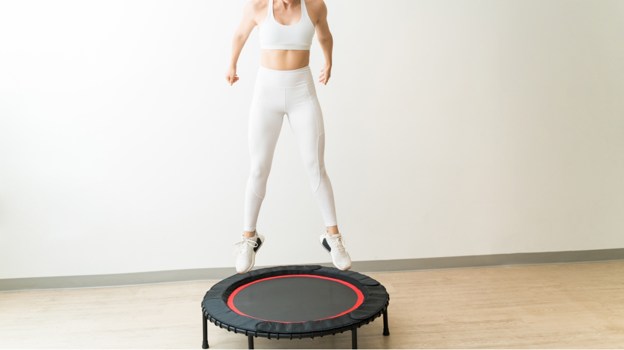
A mini trampoline with a bungee-based rebounder deserves a special mention here. Quiet operation, joint-friendly bounce, real cardiovascular output, and when you're done, it slides neatly into a corner. Hard to beat that combination.
Weaving Movement Into Your Actual Workday
The fitness habits that actually survive long-term aren't the ambitious ones; they're the convenient ones. Desk stretches between emails. Chair-based core work during a long call. A walking pad tucked under a standing desk for low-key steps throughout the afternoon.
Wall-mounted resistance anchors and doorway pull-up bars are also clever space-saving additions for anyone working with limited square footage. The whole goal here is to reduce the friction between wanting to move and actually doing it.
Routines Built Around the Remote Work Schedule
Now that your space is ready, let's talk about routines, specifically ones that flex around your workday instead of demanding a total schedule overhaul.
Low-impact workouts at home work best when they're genuinely short and endlessly repeatable. The concept of "exercise snacks," five to ten-minute movement bursts scattered across the day, has earned serious respect among fitness researchers and remote wellness advocates. And for good reason.
Movement Breaks Between Meetings
A five-minute yoga flow before your morning standup. A quick resistance band circuit while lunch heats up. Bodyweight squats while a file uploads. These tiny movement windows compound into meaningful weekly activity, and they reset your focus and mood in ways a second coffee never quite manages.
Short, intentional breaks are proving to be one of the most practical remote worker fitness strategies in existence. No extra time required. No gym bag necessary.
Why a Mini Trampoline Is Such an Effective Tool Here
If you want one piece of equipment that punches well above its weight, a mini trampoline is genuinely worth your attention. Beyond the cardio benefits, regular rebounding supports lymphatic drainage, improves balance, and delivers a genuine mood lift, making it one of the most well-rounded fitness tools available for home-based professionals. Its compact size and whisper-quiet performance make it ideal for both beginners and more advanced users, fitting seamlessly into the rhythms of a work-from-home day.
App and Streaming Workouts Worth Exploring
YouTube, Peloton's digital app, and a handful of dedicated wellness platforms have made guided low-impact classes more accessible than ever. Many programs are explicitly designed for people working with small spaces and limited time, exactly what remote workers are dealing with.
The community features on certain platforms also add a light but effective layer of accountability. Handy on those rainy Tuesday afternoons when motivation goes mysteriously quiet.
The Best Targeted Exercises for Remote Work Days
Beyond structured workouts, specific movements woven into your day can directly fight the stiffness, brain fog, and postural damage that remote work creates over time. Here's what actually works.
Mobility Drills That Counteract Desk Damage
Gentle neck rolls, shoulder circles, thoracic rotations, and hip flexor stretches are quietly underrated. Done every hour or two, they prevent the slow accumulation of tension that turns into real chronic pain after months at a desk.
Frequency matters more than duration here. Two or three minutes every hour genuinely beats one long session at the end of the day.
Cardio Without the Impact or the Noise
Marching in place, side steps, low-impact mountain climbers, and shadow boxing all raise your heart rate without punishing your joints or irritating the neighbors downstairs. String three or four of these moves together and you've got a surprisingly solid mini cardio session in under ten minutes.
Functional Strength You Can Build Anywhere
Chair squats, wall push-ups, resistance band rows, standing core work, no gym membership, no problem. These movements build the kind of practical strength that makes long desk days feel less physically draining over weeks and months.
Staying Consistent When Motivation Gets Wobbly
Knowing what to do is one thing. Actually showing up for it every day is the real challenge, especially when your living room doubles as your office, and your couch is twenty feet away.
Habit Stacking and Calendar Tricks
Attach a five-minute movement break to something you already do, like making coffee, finishing a meeting, or closing a tab. Pairing new habits with existing ones dramatically increases the likelihood you'll actually follow through. Calendar blocks for movement breaks work surprisingly well, too, even if they feel a little forced at first.
Walking meetings are another underused gem. Same conversation, more steps, zero productivity lost.
Tracking Wins That Actually Matter
Fitness trackers offer a low-effort way to monitor daily movement without turning it into a second job. But don't overlook the non-scale wins: better sleep, sharper afternoon focus, less back pain, improved mood. Those are worth tracking just as carefully.
A simple habit journal can capture those gains in a way that keeps you going through the inevitable slow patches.
Your Questions, Answered
Which low-impact exercises work in a small apartment without disturbing neighbors?
Marching in place, resistance band work, yoga flows, chair squats, and workouts on a mini trampoline with a bungee-based rebounder are all genuinely quiet, space-efficient options that won't bother anyone in adjacent units.
How often should remote employees exercise for real health benefits?
Aim for 20–30 minutes of moderate movement most days, broken into shorter sessions as needed. Even three five-minute breaks spread across a workday deliver meaningful cumulative benefits.
Can low-impact workouts reduce the back and neck pain from computer work?
Yes consistently. Mobility drills, core strengthening, and gentle cardio reduce muscular tension and improve posture, directly addressing the most common physical complaints among remote workers.
One Small Step at a Time
Staying active while working from home doesn't demand a gym membership, a dedicated workout room, or two free hours a day. The combination of low-impact tools, guided digital programs, and micro-workout thinking has made consistent movement achievable for virtually anyone, regardless of space, schedule, or fitness background.
Start somewhere small. A five-minute movement break. A resistance band beside your desk. Maybe a mini trampoline tucked into a corner of your home office. Find what feels good and fits your actual life, not some idealized version of it. Long-term health isn't the result of one heroic workout session. It's built one small, honest choice at a time.


Leave a Comment