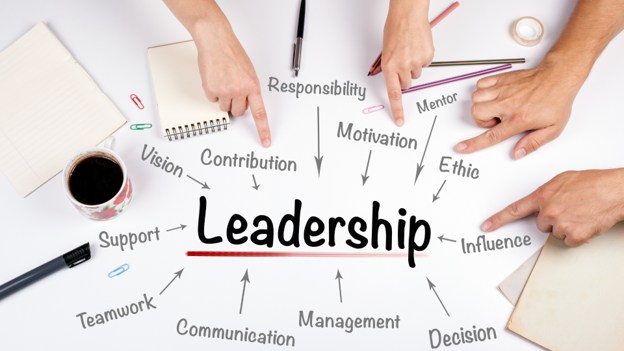
Leadership isn't handed to you. Nobody wakes up one morning fully formed, ready to inspire teams and navigate chaos with calm authority.
You build it, often through experiences that push you well past what feels comfortable. And here's something most people overlook: volunteering is one of the sharpest tools available for exactly that kind of growth.
Whether you're a student trying to distinguish yourself or a seasoned professional chasing your next level, genuine leadership development happens when you step outside your routine and into service.
The Real Connection Between Volunteering and Leadership Development
Leadership skills through volunteering don't appear on their own. They surface through real responsibility, through environments that demand you think on your feet, communicate under pressure, and actually own outcomes. Nobody writes you a script. Nobody cushions the stakes.
Here's the broader point: in today's competitive landscape, leadership development isn't optional anymore. Volunteering has quietly become one of the most effective real-world classrooms for building it. Let's get into exactly why and how you can make it work for you.
Key Benefits of Volunteering for Leadership Growth
The benefits of volunteering for leadership reach far beyond a resume line. What you actually gain, the habits, the instincts, the self-awareness, tends to stick in ways that formal training rarely achieves.
Boosting Confidence and Emotional Intelligence
Step into an unfamiliar environment, and self-awareness kicks in fast. You learn to read a room, regulate your own stress response, and meet others with patience rather than frustration. These are hallmarks of emotional intelligence, \and most classroom curricula simply can't replicate how volunteering forces them to develop.
Enhancing Decision-Making and Problem-Solving Skills
Volunteer settings rarely follow the plan. Budgets shift. Supplies run short. People cancel with no notice. You learn to make sound decisions with incomplete information and tight timelines, and that kind of pressure sharpens judgment in ways no textbook exercise can.
GIVE's volunteer abroad programs reflect this dynamic through experiences designed around active participation and community engagement. Participants are immersed in communities across Tanzania, Thailand, Costa Rica, and beyond, not as tourists but as contributors working alongside local people on projects with tangible local relevance.
Building Communication and Teamwork Abilities
Try coordinating a team of strangers across cultural and language differences. It teaches you something profound: listen first, lead second. That shift alone is genuinely transformative for most volunteers.
Cultivating Empathy and Global Awareness
A 2026 report found that 78% of volunteers reported significant gains in global awareness through short-term volunteering experiences. Exposure to different communities doesn't just expand your worldview; it makes you a more grounded, human-centered leader over time.
Creating a Track Record of Accountability and Initiative
Consistency matters. Showing up when it's inconvenient, honoring your commitments, and owning results even when things go sideways, these habits built through volunteering follow you into every professional environment afterward.
So, where do you actually begin?
Types of Volunteer Opportunities for Leadership at Every Stage
There's no single path here. Volunteer opportunities for leadership exist across every life stage, and the right fit depends entirely on where you are right now.
Student-Driven Campus Projects and Organizations
Student government, campus clubs, peer mentoring programs, these are accessible, low-barrier entry points with direct ties to your current network. Don't underestimate them.
Community-Based and Local Nonprofit Initiatives
Local food banks, literacy organizations, and youth outreach programs, they all need people willing to step up. These roles build real operational leadership quickly and with direct community impact.
International Volunteering with GIVE
GIVE's volunteer abroad programs offer something that local opportunities typically can't match: full cultural immersion, hands-on collaboration with local leaders, and the kind of adaptability that only comes from navigating genuinely unfamiliar territory. It's the kind of experience that reshapes how you see yourself as a leader.
Virtual and Remote Volunteer Roles Empowering Digital Leadership
Remote volunteering has expanded dramatically. Leading across screens, time zones, and communication tools builds digital project management skills that translate directly into modern workplaces.
Corporate Volunteering and Mentorship Programs
Many companies now run structured volunteer initiatives that pair employees with nonprofits or underserved communities. These create mentorship on both sides of the relationship, often unexpectedly.
Proven Strategies for Developing Leadership Skills Through Volunteering
Showing up is just the beginning. Developing leadership skills through volunteering requires intention, honest self-reflection, and a genuine appetite for challenge. You risk going through the motions without growing.
Setting Intentional Goals and Objectives
Before you start anything, decide what you actually want to develop. Public speaking? Cross-cultural communication? Project management under pressure? Clear goals create clear growth trajectories.
Taking Ownership of Projects and Outcomes
Don't wait for someone to assign you a leadership role. Propose something. Track it. Own the outcome, good or bad. That initiative is what separates a volunteer from a leader.
Seeking Out Roles That Challenge and Inspire
Comfort is, candidly, the enemy of growth. Deliberately pursue roles that stretch your current capabilities, especially the ones that feel slightly out of reach. That discomfort zone is exactly where meaningful development tends to happen.
Networking with Diverse Groups and Industry Leaders
Volunteering puts you alongside people from completely different industries and backgrounds. Those relationships often evolve into mentorships, professional references, and long-term collaborations.
Real-Life Examples: How Volunteering Builds Leadership Skills
Understanding how volunteering builds leadership skills becomes much more convincing through actual experience rather than theory alone.
Success Stories from GIVE's Volunteer Abroad Alumni
Alumni of GIVE's volunteer abroad programs frequently describe their time abroad as genuinely transformative, not because it was comfortable, but because the challenges were real. Volunteers working in Laos or Nicaragua often return home with a confidence they didn't have before and a far sharper understanding of what leadership actually requires in complex, human situations.
Case Studies: Leadership Transformations from Local Volunteers
Across local nonprofits, a consistent pattern emerges: volunteers who start with small tasks frequently end up managing teams, designing programs, and eventually stepping into paid leadership positions. The progression is well-documented and replicable.
Turning Volunteer Leadership Into Career Success
Volunteer experience translates into career capital, but only when you communicate it effectively. Vague descriptions of "helping out" don't land. Specific stories do.
Document measurable outcomes. How many people did your initiative serve? What changed because of your direct contribution? These details carry real weight with interviewers and admissions committees alike.
And don't stop at one experience. The most impactful leaders stack roles deliberately, each one building on what came before, each one more complex than the last.
Next Steps: Keep Growing Beyond Your First Volunteer Role
Creating and Leading Your Own Volunteer Initiatives
Once you understand how existing organizations function, consider building something yourself: a campus drive, a community coalition, a peer mentorship circle. That transition from participant to founder is enormous in terms of personal and professional development.
Encouraging Peers and Community Members to Cultivate Leadership Through Volunteering
Leadership compounds when you bring others along. Inviting your network into volunteer work doesn't just benefit organizations; it expands your influence and deepens your own development in ways that solo effort rarely can.
Final Thoughts on Building Leadership Through Volunteering
Volunteering isn't just a generous thing to do with your time. It's one of the most direct, practical pathways to becoming a capable, credible leader.
The benefits of volunteering for leadership are real, measurable, and transferable across every stage of life and career. Whether you start with a local nonprofit this weekend or take the bigger leap into an immersive international program, what matters most is that you actually begin.
True leadership skills through volunteering are earned through action, reflection, and the willingness to show up in service of something larger than yourself. That journey is absolutely worth starting today.
Your Questions About Volunteer Leadership, Answered
What leadership qualities can I gain from volunteering abroad versus locally?
Abroad experiences typically accelerate cross-cultural communication, adaptability, and global awareness. Local volunteering strengthens community relationships and operational consistency. Both are genuinely valuable, and the skills complement each other well.
Can virtual volunteering develop leadership skills as effectively as in-person volunteering?
It can, particularly for digital communication and remote project management. That said, in-person volunteering tends to build emotional intelligence and real-time problem-solving more deeply through direct human interaction.
How does volunteering build leadership skills?
Volunteering sharpens listening, empathy, resilience, and decision-making under real-world conditions. These are exactly the traits that distinguish strong leaders. Consistent practice is what makes them durable.
How do I choose the right volunteer opportunity for leadership growth?
Identify the specific gaps you want to close, then find programs that directly address them. Prioritize genuine responsibility over passive participation; the level of challenge matters more than the organization's size or profile.
How can introverts benefit from volunteer leadership opportunities?
Volunteering offers structured, purpose-driven contexts where leadership feels natural rather than performative. Many introverts thrive in mentoring or project-based roles where thoughtfulness and active listening are genuine strengths, not liabilities.


Leave a Comment