The barriers in communication lead to a lack of trust in the organization, with executives being out of touch with the realities at the front line and the employees feeling they are not heard. The only way to overcome this difference is to allow senior leaders to meet individual contributors two or more levels below them, and this is what skip-level meetings offer. This intentional engagement creates psychological safety, exposes uncensored views, and exhibits authentic leadership performance to comprehend team practice.
Conceptualizing Skip-Level Engagement
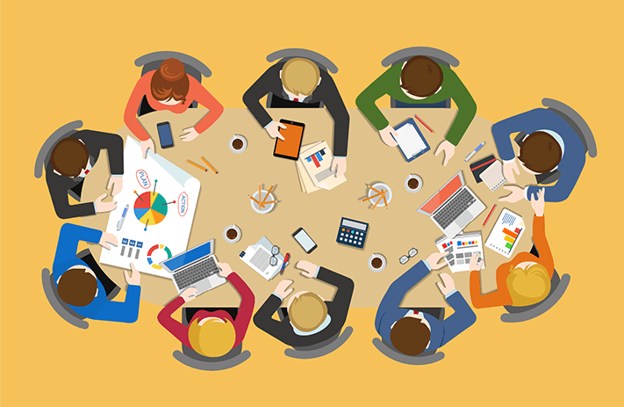
Direct conversation between executives and employees who don't normally interact, bypassing immediate supervisors, is the definition of a skip-level meeting. These meetings generally take about 30-45 minutes, and they have 8-12 representatives who will have different teams, roles, and tenure. Formed agendas give a balance between open discussion and focused discussions, as well as anonymity of the candid feedback. HR supports logistics that should guarantee psychological security and positive results.
Establishing Authentic Relationships

The humanization of leadership through skip-level meetings helps to see executives as ordinary people instead of figures of authority. Workers who observe leaders, listening without objection, have more trust. Questions to begin with-- What is one thing that annoys you the most about what you are doing? or What would help you do your daily work 20% easier?--find out what can be actually done and show genuine interest. Following through on promises that have been made in meetings makes reliability stronger and builds trust after several interactions.
Discovering Blind Spots and Truths
Executives get raw opinions that expose gaps in communication, inefficiencies in processes, and cultural undertones that could not have been seen over the official channels. Direct reports are reluctant to communicate bad news to their seniors; skip-level communications reveal such facts. The managers are given indirect feedback regarding the impact of leadership without being confronted. The measurement of organizational health increases because even the concealed problems are brought to the attention of the executive.
Developing Psychological Safety
Vulnerability (admissions of knowledge deficiencies or historical errors in the past) is an example that can be used to model the courage that is needed in an innovation culture. The recognition of employee expertise -"You see this every day, what have I not seen yet?” - raises individual contributors, risk-taking, and open-minded feedback. Studies prove that psychological safety is a motivator of teamwork 27 percent more than other factors; through skip-level meetings, this atmosphere can be developed naturally.
Strategic Agenda Design
Successful skip-level meetings have well-constructed but loose agendas that combine relationship and insight gathering. First rapport is then passed on to work-related questions- "What is working well in your department?” “What are your greatest delays to organization?”--before organizational matters–” How can leadership better serve you?” Follow-through: Closing commitments make sure that the promises are fulfilled: “I will look into that delay in payment processing and report to you next month”.
Equal Inclusion in the selection of the participants
Diversity leads to value: cross-department, level, geography, and demographic, knowing that you are all-inclusive. Introverts get prior agendas so that they can prepare properly. Video platforms ensure equal participation by remote employees. Older members will give historical background, and the new employees will be able to give new insights.
Active Listening Mastery
Executives stand out because of their willingness to listen and not to solve problems. Paraphrasing-- It seems like cross-team coordination is the most frustrating; is that true?- affirms cognition. The notion of taking notes indicates significance, and leaving without immediate solutions is honoring of the employee ownership. Quietness leaves room for further understanding.
Follow-Through Accountability
Trust erodes without action. Common-ground reports like this-- “Then there was the problem of the documentation that we had discussed. We have adopted your recommended template, are responsive. Impact is reinforced with quarterly recaps tying individual input with organizational changes. There are task forces devoted to systemic issues, and they are represented by employees.
Cultural Reinforcement
Regular skip-level cadence, quarterly executives, and semi-annually directors engrains direct interaction into leadership blood. There is a flow of behavior down in the senior modeling as the managers observe executive weakness. The recognition systems enhance the positive outcomes of meetings, linking the individual contributions with the business impact.
Measurable Impact Tracking
Effectiveness is confirmed by engagement scores, retention rates, and cross-team collaboration metrics. The psychological safety improvements are measured using anonymous pulse surveys after the meeting. Pipeline strength in promotion denotes the success of trust-building.
Skip-level meetings also make hierarchical organizations more interconnected into ecosystems where trust flows in both directions. Such leaders who show their authentic interest and follow-through efforts will make cultures where workers prosper, get creative, and invest in the long term.


Leave a Comment