Key Takeaways
- Technical and digital literacy skills are now expected in most job roles, across virtually all industries.
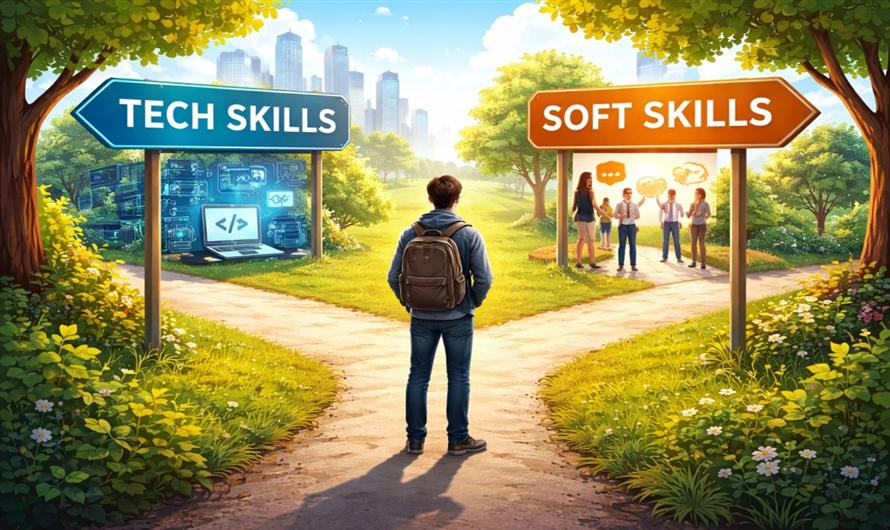
- Soft skills such as adaptability, communication, and critical thinking play an essential role in career growth.
- Ongoing learning, formal upskilling programs, and practical experience are crucial to staying marketable.
Success in today’s workplace is built upon a strong foundation of both technical know-how and people-oriented attributes. To remain competitive and grow, professionals must regularly assess and improve their skillsets. Whether just starting or looking to elevate an established career, developing the right mix of competencies is the key to unlocking new opportunities. Understanding career and professional development is essential, as it helps individuals map out their growth and build relevant expertise in an ever-evolving market.
Rapid technological advancements, paired with shifting employer expectations, have changed what is considered vital for career success. It’s no longer enough to rely solely on what was learned in school or experience. Now, ongoing education, adaptability, and a willingness to acquire new abilities are valued more than ever before. In this article, we’ll explore which career development skills are most important for the modern workforce and how to cultivate them for long-term advancement.
The Rise of Digital Literacy
Digital literacy has become a baseline qualification for modern workers. Technology is intertwined with daily tasks, from teamwork platforms and cloud-based tools to sophisticated data analysis software. Even industries previously considered “low-tech” now expect employees to navigate various digital systems with ease. According to an article in Forbes, those who demonstrate competency in data literacy and data storytelling are in high demand across sectors. These skills enable professionals to automate routine work, create actionable insights, and support strategic decision-making at higher organizational levels.
Additionally, familiarity with emerging topics such as artificial intelligence, blockchain, and automation is quickly moving from “good to have” to “must have” status. Even if your role doesn’t directly involve coding or advanced analytics, understanding the basics helps you communicate with technical colleagues, identify new opportunities, and avoid being sidelined by technological change.
Embracing AI and Automation
Artificial intelligence and automation are reshaping industries at a rapid pace. Professionals who embrace AI-powered tools within their daily workflows are gaining a substantial edge. Research highlighted by Forbes found that employees who use AI skills at work often earn significantly higher salaries and enjoy better career prospects than peers who do not leverage these technologies. These individuals can navigate new tools, improve operational efficiency, and focus more on creative or strategic tasks, creating greater value in every role.
Adapting to these changes requires a willingness to experiment with new technology and seek training opportunities to deepen one’s understanding. Online certifications and company-offered training in AI ethics, prompt engineering, or low-code platforms can set workers apart for promotions and leadership roles.
The Importance of Soft Skills
Technical knowledge is a critical base, but soft skills are what set high performers apart. Qualities such as adaptability, communication, collaboration, and emotional intelligence enable employees to thrive in complex settings. As workforces become more diverse and remote work becomes more common, being able to exchange ideas effectively, resolve conflicts, and lead virtual teams is invaluable.
Employers also view critical thinking and problem-solving as top priorities. Professionals who can analyze challenges, develop creative solutions, and pivot as market conditions shift are essential assets to any organization. These attributes not only foster innovation but also build resilience against uncertainty and change.
Continuous Learning and Upskilling
The concept of lifelong learning has never been more relevant. Technology changes rapidly, and so do the skills required to stay relevant. Initiatives like IBM’s SkillsBuild platform have made it easier for professionals to access high-quality, free learning materials on the latest technologies and business practices. Micro-credentials, bootcamps, and online workshops can help bridge specific gaps and demonstrate initiative to hiring managers and supervisors.
Make it a habit to set aside time for self-directed study or to participate in company-sponsored courses regularly. Participating in industry conferences, joining professional associations, and seeking out mentorship are additional ways to expand both knowledge and professional networks.
Skills-Based Hiring Trends
Many organizations are rethinking how they identify talent. Instead of strictly requiring degrees, more companies are screening for specific skills and looking for concrete evidence of ability. According to Forbes, skills-based hiring is on the rise, opening doors for those with non-traditional education or work backgrounds. This approach creates a more level playing field and helps companies address persistent skill shortages by focusing on what individuals can do rather than simply on the credentials they possess.
Building a portfolio, taking on freelance assignments, and pursuing relevant certifications can all provide tangible proof of ability for potential employers. This also encourages ongoing growth, as the job market will continue to favor those with up-to-date, demonstrable skills.
Adapting to the Evolving Job Market
The most successful professionals view career development as a lifelong journey. Being open to change, actively seeking new experiences, and regularly updating one’s skillset are keys to remaining valuable regardless of shifting trends. Career-connected learning programs and internships provide hands-on, real-world practice that can be stacked on top of traditional education to prepare for the roles of tomorrow.
Conclusion
Success in the modern workforce requires a combination of digital savviness and people-first skills. Continuous learning, adaptability, and a focus on practical experience ensure that professionals are prepared to meet the challenges of an increasingly complicated job market. By building both technical and soft skills, workers at every stage can proactively shape their careers and respond to new opportunities with greater fluidity.


Leave a Comment