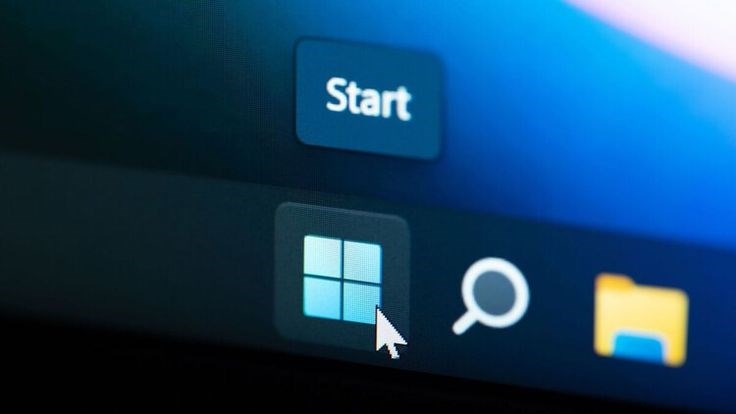
Windows 11 Start Menu is in testing and again it’s going through a tough period of refinement. This update is to make the usability, aesthetics, and functionality more usable based on user feedback. With so many new layout and feature experiments for the tech giant, many look forward to seeing the effects on daily computing. This redesign will streamline workflows or complicate them. Therefore, we start by examining what is new and its impact on Windows 11 users.
A Cleaner, More Modern Layout
Windows 11 has a new Start Menu with a more streamlined, grid-based look that cuts down on clutter and increases accessibility at the same time. There are fewer redundant elements to focus on, they simplified the icon setup and smoother transition to the joke. The new design follows the Windows 11 Fluent Design principles of fitting together, and integrating better with Windows 11 overall. The interface will show a nice looking display, easy on navigation, and faster to get apps and files.
Enhanced Search and Recommendation Features
The integrated search function will be upgraded with Microsoft making it faster and using a more intuitive interface. As such, the redesigned Start Menu may feature AI-driven recommendations, such as suggested apps and files you may have used often. Problem is, manual search is still so common in our field, providing this feature can essentially increase productivity. In addition to that, the search bar may tap into deeper integration with Microsoft 365 and Edge to only bring documents and web results into the menu without having to take you away from it.
Improved Customization Options
The Start Menu will most likely allow users to have more control over how it looks and operates. That said, early builds do already offer the ability to offer users options to resize sections, pin favorite widgets, and adjust transparency effect. This flexibility allows one to have a personalized workflow, personalizing not just the look and feel or the theme, but even suggested actions to take. If Microsoft brings these features into Windows 11 for the final release, then it will make the Windows 11 more personalized to the user’s preferences.
Faster Performance and Smoother Animations
Microsoft is also optimizing the Start Menu for better speed and responsiveness, alongside visual changes. Opening apps and accessing settings reportedly doesn’t involve such lag when early testers try out the software. Animations are smoother in general, helping to maintain Windows 11’s image as a refined, efficient system. As these improvements could be particularly beneficial for users on lower-end hardware users will be more interested to use these.
Potential Challenges and User Adaptation
The redesign has many benefits and while this learning curve may not suit many, it is an improvement on what they had. Windows users who have been using that classic Start Menu for a long time will need some time to get used to it. It could also lead to initial frustration if Microsoft removes or moves some of the more integral features. Here, though, always in the best interests of shareholders will cost efficiency, and the trade-off may be worth taking.
Conclusion
The new Windows 11 Start Menu, a version of Microsoft’s still evolving direction toward modernization and user centered design, marks another step in that journey. The update could also make a significant improvement in the daily productivity with a cleaner layout, smarter search and nicer customization. However, adaptation to the changes is key to its success. If Microsoft can find the balance between user friendliness and innovation, this design of Windows 11 could be enough for this operating system to stand out as versatile and user friendly. These updates will only determine whether they will be able to meet expectations or not.


Leave a Comment