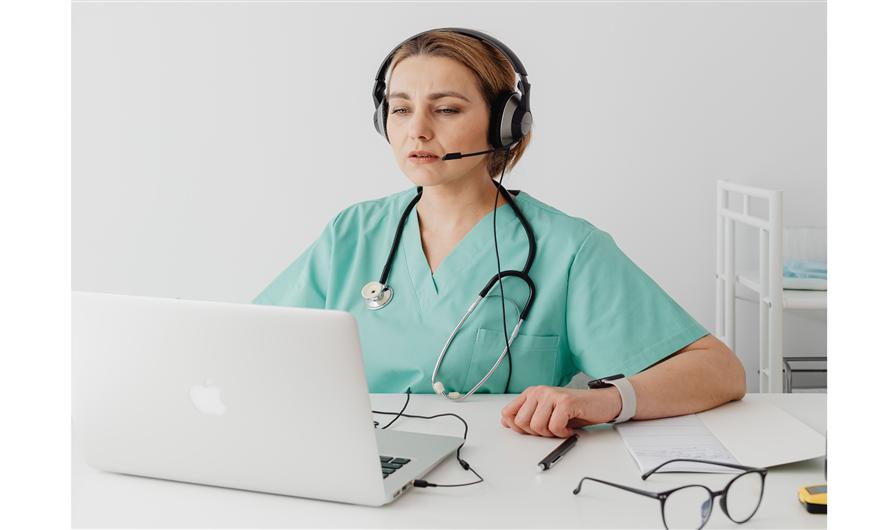
Healthcare is becoming increasingly digital, and telemedicine is changing how patients connect with doctors and access medical services. Instead of visiting hospitals or clinics for every consultation, patients can now communicate with healthcare professionals through smartphones, tablets, and computers. This shift has made telemedicine applications an important part of modern healthcare delivery.
However, developing a successful telemedicine application requires more than adding video-calling functionality. A reliable platform must offer convenient appointment scheduling, secure communication, electronic medical records, digital prescriptions, payment processing, and several other features that improve the overall patient experience.
For healthcare providers, startups, and businesses planning to enter the digital healthcare market, understanding these essential functionalities is important before starting the development process.
Let's explore the key features every modern telemedicine app should include.
1. Secure User Registration and Patient Profiles
A simple and secure registration process is the foundation of every telemedicine application. Patients should be able to create accounts without going through complicated registration procedures.
The application should provide multiple registration options, such as email addresses, mobile numbers, and OTP-based authentication.
Patient profiles should also allow users to manage important healthcare information, including:
Personal details and contact information.
Medical history and existing conditions.
Allergies and medication information.
Previous consultation records.
Emergency contact details.
Insurance information, where applicable.
These features help healthcare professionals understand a patient's background before beginning a consultation.
2. Doctor Search and Appointment Booking
Patients should be able to find suitable healthcare professionals without spending unnecessary time searching through multiple platforms.
A doctor discovery feature allows users to search for specialists based on their medical requirements and preferences.
Important search filters include:
Medical specialization.
Doctor experience and qualifications.
Consultation fees.
Patient ratings and reviews.
Available appointment slots.
Preferred language.
Once patients find a suitable doctor, they should be able to book appointments directly through the application.
A well-designed scheduling system should also support appointment cancellation, rescheduling, calendar synchronization, and automated reminders.
3. High-Quality Video and Audio Consultations
Video consultation is one of the most important features of a telemedicine application. It allows patients and doctors to communicate remotely without requiring an in-person visit.
A reliable video consultation system should provide:
High-quality video and audio communication.
Secure video sessions.
Microphone and camera controls.
Audio-only consultation options.
Stable connectivity on different network conditions.
Virtual waiting rooms.
Options for reconnecting after network interruptions.
Developers should prioritize call stability and communication quality rather than focusing only on advanced visual features.
Audio fallback is particularly useful when patients have limited internet connectivity or experience interruptions during video consultations.
4. Electronic Health Records (EHR) Management
Electronic Health Records help healthcare providers maintain and access patient information digitally.
Instead of depending entirely on physical documents, doctors can review relevant medical information through a centralized digital system.
An effective EHR management feature should include:
Patient medical history.
Previous consultation details.
Laboratory and diagnostic reports.
Medication records.
Treatment history.
Doctor's clinical notes.
Digital document storage.
Integration with compatible hospital management systems and electronic medical record platforms can further improve information accessibility.
For businesses developing healthcare applications, interoperability should be considered during the initial architecture planning rather than added as an afterthought.
5. Electronic Prescriptions and Medication Management
Digital prescriptions make it easier for doctors to share medication instructions with patients after consultations.
Through this functionality, authorized healthcare professionals can generate prescriptions electronically and make them accessible through patient accounts.
Important capabilities include:
Digital prescription generation.
Medication names and dosage instructions.
Prescription history.
Medicine reminders.
Prescription downloads.
Pharmacy integration, where available and legally permitted.
The application should also support applicable prescribing regulations and professional verification requirements.
This feature reduces dependence on paper prescriptions and helps patients maintain better records of their medication schedules.
6. Secure In-App Messaging
Not every healthcare interaction requires a video consultation. Sometimes patients only need to ask follow-up questions, share reports, or clarify medication instructions.
Secure in-app messaging provides a convenient communication channel between patients and healthcare professionals.
Useful messaging capabilities include:
Private one-to-one conversations.
Image and document sharing.
Medical report uploads.
Message notifications.
Consultation-related communication history.
Secure file transfers.
Healthcare applications should implement appropriate encryption, access controls, and data retention policies to protect sensitive conversations.
7. Integrated Payment Gateway
A smooth payment experience is important for telemedicine platforms that offer paid consultations.
Patients should be able to complete transactions directly through the application without switching between multiple services.
Depending on the target market, payment functionality may support:
Credit and debit cards.
Digital wallets.
UPI payments.
Online banking.
Insurance-related payment workflows.
Consultation invoices and receipts.
The payment system should also include transaction history, refund management, and payment confirmation notifications.
A secure and straightforward checkout process can improve user confidence and reduce appointment abandonment.
8. Push Notifications and Appointment Reminders
Notifications help patients stay informed about their healthcare activities while helping doctors manage their schedules.
A modern telemedicine application should provide automated notifications for important events.
Examples include:
Appointment booking confirmations.
Upcoming consultation reminders.
Appointment cancellation updates.
Prescription availability.
Payment confirmations.
Follow-up consultation reminders.
Important account notifications.
Users should also have control over their notification preferences.
Timely reminders can help reduce missed appointments and improve communication between healthcare providers and patients.
9. Doctor Dashboard and Availability Management
Telemedicine applications should provide healthcare professionals with a dedicated dashboard to manage their daily activities.
A doctor dashboard makes it easier to organize consultations, review patient information, and maintain appointment schedules.
Essential dashboard functionalities include:
Appointment calendar.
Patient consultation history.
Availability management.
Consultation requests.
Medical record access.
Prescription management.
Follow-up scheduling.
Consultation earnings and reports.
An organized dashboard reduces administrative effort and allows doctors to focus more on patient care.
10. Strong Security and Regulatory Compliance
Security is one of the most important considerations in telemedicine app development because these platforms handle confidential patient information.
A healthcare application must protect personal details, medical records, prescriptions, and consultation data from unauthorized access.
Important security measures include:
Data encryption during transmission and storage.
Multi-factor authentication.
Role-based access control.
Secure API integrations.
Regular security assessments.
Audit logs.
Patient consent management.
Secure cloud infrastructure.
Businesses targeting the United States should consider applicable HIPAA requirements, while platforms operating in Europe must evaluate GDPR obligations.
Healthcare businesses in India should also consider applicable data protection requirements and Telemedicine Practice Guidelines.
Compliance requirements vary according to the application's location, functionality, and business model. Therefore, security and regulatory considerations should be included from the beginning of the development process.
11. AI-Powered Healthcare Assistance
Artificial intelligence is creating new opportunities for improving telemedicine applications.
When implemented responsibly, AI-powered functionality can help healthcare providers streamline administrative processes and improve patient engagement.
Some useful AI-powered capabilities include:
AI-assisted symptom collection.
Automated appointment recommendations.
Patient support chatbots.
Consultation summaries for doctor review.
Intelligent appointment reminders.
Healthcare data analysis.
Language translation assistance.
For example, an AI-powered assistant can collect basic information about a patient's symptoms before an appointment and organize it for the doctor.
However, AI-generated information should not replace professional medical judgment. Diagnosis and treatment decisions must remain under appropriate healthcare professional oversight.
12. Remote Patient Monitoring and Wearable Integration
Remote patient monitoring allows healthcare professionals to track selected health measurements outside traditional clinical settings.
A telemedicine application can connect with compatible wearable devices and health monitoring equipment to collect relevant patient information.
Depending on the clinical use case, supported measurements may include:
Heart rate.
Blood pressure.
Blood glucose levels.
Oxygen saturation.
Physical activity.
Sleep patterns.
Doctors can review collected information and identify changes that may require further attention.
This feature can be particularly useful for chronic disease management, post-treatment monitoring, and long-term patient care.
13. Multilingual Support and Accessibility
Healthcare applications serve people with different languages, technical abilities, and accessibility requirements.
A modern telemedicine platform should provide an interface that is easy to understand and navigate.
Useful accessibility features include:
Multiple language options.
Adjustable text sizes.
Clear navigation.
Screen reader compatibility.
Accessible buttons and controls.
Simple appointment booking.
Support for older users.
Multilingual functionality can also help healthcare businesses reach patients across different geographical markets.
14. Admin Dashboard and Analytics
An administrative dashboard helps healthcare organizations manage the operational side of their telemedicine platform.
Administrators should be able to monitor platform activities, manage users, verify healthcare professionals, and review important business metrics.
Some essential administrative features include:
Patient and doctor management.
Doctor verification.
Appointment monitoring.
Payment and transaction management.
User activity reports.
Revenue tracking.
Feedback management.
Platform performance analytics.
Analytics can help healthcare businesses understand patient engagement, appointment trends, consultation volumes, and operational performance.
Why Choosing the Right Telemedicine App Development Partner Matters
Selecting the right technology partner is an important step when building a modern telemedicine application. The development process involves several interconnected components, including mobile application development, backend architecture, healthcare integrations, data security, and user experience.
Dev Technosys is a software development company that provides custom healthcare application development solutions for businesses looking to build digital healthcare platforms.
With experience in healthcare software development, the company works on solutions such as telemedicine platforms, doctor appointment booking applications, patient portals, and other healthcare-related digital products.
Its development approach focuses on understanding business requirements, selecting suitable technologies, creating user-friendly interfaces, and building scalable software solutions.
Businesses planning to develop a telemedicine platform can work with a technology partner like Dev Technosys to plan essential functionalities, select suitable integrations, and develop an application aligned with their operational requirements.
Final Thoughts
Modern telemedicine applications are becoming an important part of connected healthcare services. From online doctor consultations and appointment scheduling to electronic health records and AI-powered assistance, the right features can make healthcare more accessible and convenient.
However, successful telemedicine app development is not about including every available functionality. It is about identifying the needs of patients, healthcare professionals, and administrators and building a platform that addresses those requirements effectively.
Businesses should prioritize essential features such as secure registration, appointment management, video consultations, digital prescriptions, and patient data protection before introducing advanced capabilities.
With proper planning, reliable technology, and an experienced development partner, healthcare organizations can build telemedicine applications that support better digital healthcare experiences.


Leave a Comment