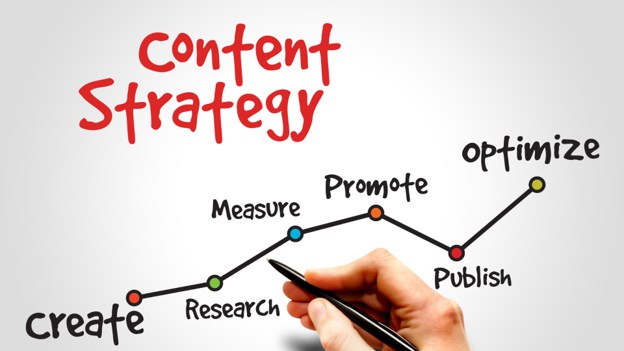
If you run a hotel, you know how hard it can be to get guests to book directly on your website. Many travelers compare prices on big booking sites first, and that can cost you time, money, and control. But with the right content marketing strategy, you can change that.
Great content helps you build trust, share your story, and show why your hotel is the best choice. From helpful blog posts to strong social media updates, the right message can guide travelers straight to your booking page.
In this guide, you’ll learn simple yet powerful content marketing strategies that help you attract more visitors, build loyalty, and drive more direct bookings.
Why Content Marketing Has Become the Real Engine Behind Direct Hotel Bookings
Traveler behavior has changed, and not subtly. People now browse across platforms, compare options on OTAs, and then deliberately visit your brand website to verify their instinct before committing. That final verification moment? That's where hotel content marketing either earns the booking or loses it.
Hotels that work with specialized content partners consistently outperform those going it alone. Agencies with genuine hospitality expertise like Hawthorn Creative help properties build integrated strategies that grow organic visibility and, over time, reduce how much you're handing over to third-party platforms.
Search Is Where Guests Start — Earlier Than You Think
SiteMinder's 2025 Changing Traveler Report showed that travelers beginning trip planning via search engine jumped from 24% to 36% in a single year. One year. That's a seismic shift. Hotels that have already invested in destination guides, itinerary content, and experience-focused pages are intercepting guests at that earliest research moment, long before any OTA even appears on their radar.
Your Content Is What Google Actually Surfaces
Rich snippets, Google Hotel Ads, AI-generated trip planners, all of it pulls from your site. Thin pages? Skipped. Outdated content? Invisible. That's why hospitality SEO strategies and your editorial calendar are no longer separate conversations.
With search clearly trending toward content-first discovery, let's talk about the strategic groundwork your content actually needs to convert.
The Foundation: Positioning, Guest Personas, and Margin-Aware Targeting
Great hotel content marketing doesn't begin with a blog post. It begins with ruthless clarity about who you're writing for and what that guest is worth to your bottom line.
Know Exactly Who You're Talking To
Not all guests search the same way. Leisure couples, families, remote professionals, corporate retreat planners, wedding parties, each segment has different triggers, different timelines, and different language. A couple researching anniversary getaways isn't Googling what a corporate travel manager types at 9am on a Tuesday. Map each persona across awareness, consideration, and decision stages. Separately.
Connect Content to Revenue, Not Just Clicks
Shoulder seasons are where smart drive hotel direct bookings content proves its worth fastest. Build your content themes around your highest-margin periods, "spring wellness weekends," "fall foliage escapes," "work-from-hotel January packages", and connect every piece to an actual bookable offer. Traffic without a transaction path is just noise.
A Brand Story OTAs Simply Cannot Copy
Your story is your sharpest competitive edge. Experience-first landing pages, story-driven room descriptions, on-site narratives about your property, your team, your neighborhood, these give guests a genuine reason to book you, not just "a hotel in [city]." OTAs will always list your rooms. They'll never tell your story.
Hospitality SEO Strategies That Make Great Content Findable
Technical SEO and smart keyword architecture are the scaffolding beneath your content. Strip them away and even your best writing disappears. These hospitality SEO strategies create the direct line between organic visibility and actual revenue.
Build Keyword Strategy Around Intent, Not Just Volume
Prioritize booking-intent terms first. "Boutique hotel near [landmark]," "family-friendly hotel [city]," "wedding venue hotel [city]", these outperform broad informational queries every time. Use a cluster approach: a strong core "hotel in [destination]" page, supported by topic-specific guides and experience posts, to build real topical authority in your most profitable segments.
On-Page Fundamentals Still Matter — A Lot
Clean title tags. Descriptive meta copy. Logical header hierarchy. Internal links flowing from editorial content to your booking pages. And please stop burying your "Book Direct" value proposition. Best rate guarantees, free cancellation, room upgrade perks: all of that belongs above the fold, not tucked into your footer where nobody reads it.
Local and Experience SEO Captures the Guests Near You
Build content hubs around nearby attractions, trails, restaurants, and seasonal events. "Pet-friendly hotels near [park]" or "[city] spa weekend" are high-converting local queries that most independent hotels completely ignore. Connect these posts to your Google Business Profile for compounding local reach.
The Content Types That Consistently Move Guests Toward Booking Direct
Stop thinking about content as a publishing schedule. Think of it as a portfolio where every single piece is quietly doing a job, moving someone closer to a direct hotel bookings decision.
| Content Type | Funnel Stage | Primary Goal |
| Destination Guides | Top-of-funnel | Capture early planners |
| Experience Blog Series | Mid-funnel | Build preference |
| Package Landing Pages | Bottom-of-funnel | Convert direct |
| Email Sequences | Re-engagement | Recover undecided guests |
| UGC + Review Content | All stages | Build trust |
Evergreen Destination Guides — The Long Game That Pays Off
Long-form guides like "Weekend in [City]" or "Family Guide to [Destination]" capture planners who aren't ready to book yet, but will be. Embed contextual CTAs throughout the piece. "Plan your stay at [Hotel Name]" mid-article consistently outperforms a lone footer link. Don't make people hunt for the next step.
Experience-Led Blog Series for Specific Guest Segments
A series like "Romantic Escapes from [City]" or "Work-From-Hotel Retreats" speaks straight to guest motivation and maps naturally to specific rate packages. Done right, each post functions as a soft sales page for a segment-specific offer, without feeling like one.
Quick Answers: Common Hotel Content Marketing Questions
What are the 7 Ps of marketing in the hotel industry?
Product, price, promotion, place, packaging, positioning, and people. This framework helps hotels evaluate their marketing activities continuously, ensuring each element works together to attract guests and drive consistent direct hotel bookings revenue.
Which tactics typically show the fastest uplift in direct bookings?
Refreshing high-intent landing pages with clear "Book Direct" benefits and launching a focused email sequence. Most properties see meaningful results within 30–60 days — far faster than building organic SEO momentum from zero.
How frequently should hotels publish content to see real impact?
Consistency wins over volume, every time. One well-optimized destination guide or experience post weekly, paired with two email campaigns monthly, typically builds enough momentum to show measurable organic growth within a quarter.
One Last Thing Before You Close This Tab
A well-executed hotel content marketing strategy genuinely reshapes your channel mix — less OTA dependency, healthier margins, stronger direct relationships with guests who actually chose you. The properties outperforming their competitors in 2026 aren't necessarily bigger or better located. They're simply showing up earlier in the research journey, publishing smarter, and making it crystal clear why booking direct is the better choice. Pull up your key booking pages right now. Does your content make that case convincingly? If not — that's exactly where you start.


Leave a Comment