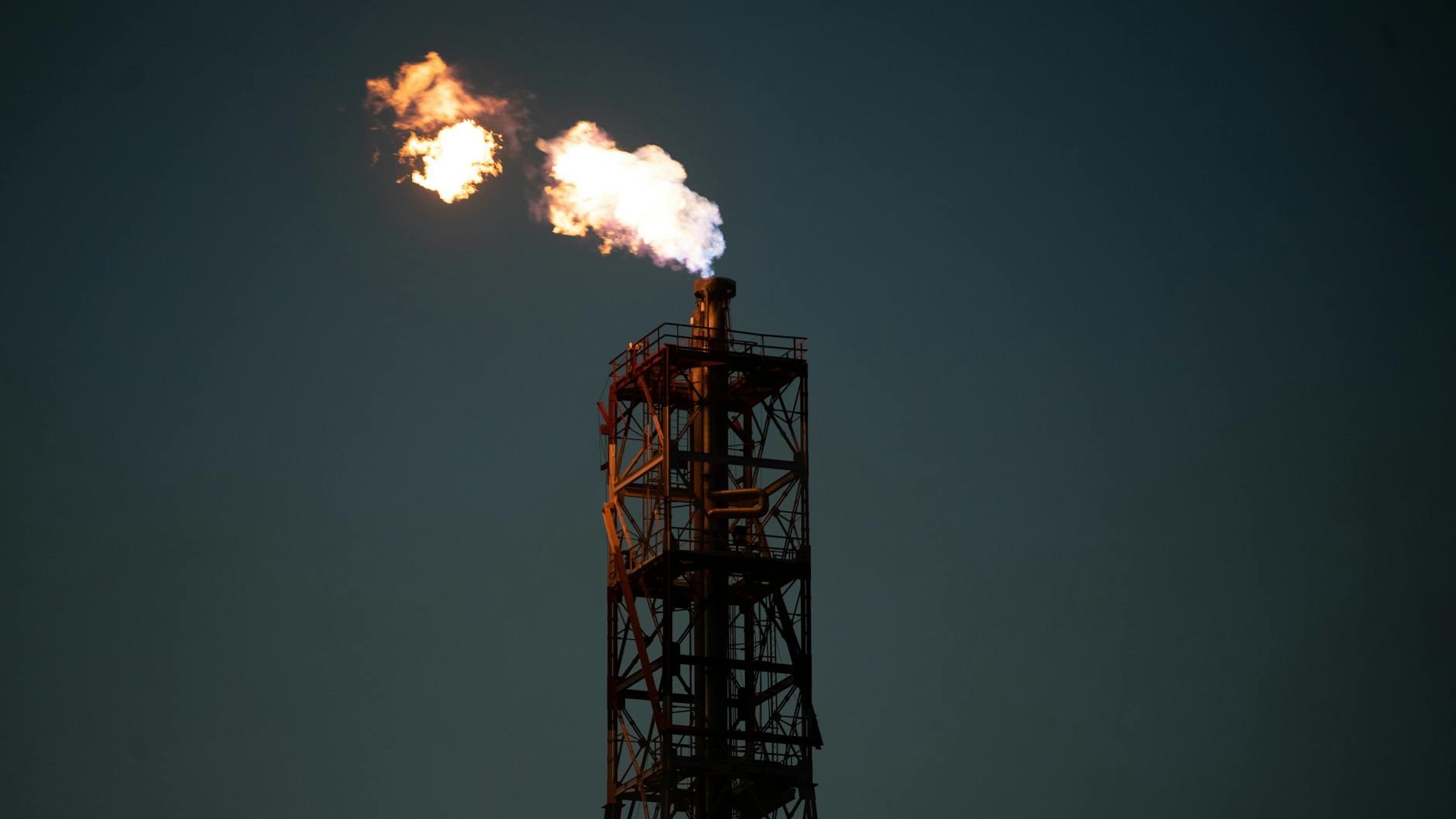
Oil and gas asset management software helps operators monitor, maintain and optimize physical assets - rigs, pipelines, wells, refineries and terminals - across the full asset lifecycle. By combining real-time visibility, predictive maintenance and compliance workflows, these platforms reduce downtime, improve safety and streamline operations across upstream, midstream and downstream environments.
This guide is designed for:
- Operations managers
- Plant and refinery managers
- Pipeline operators
- IT/OT directors
- Reliability engineers
- Digital transformation leaders in the oil and gas industry
Inside this article, you will learn:
- Which features matter most in modern gas asset management software
- Which vendors lead the market in 2026
- How to choose the right platform for your operations
Oil and gas asset management at a glance
| Topic | Quick answer |
| Best enterprise EAM | IBM Maximo |
| Best operational resilience platform | Smart RDM |
| Best asset integrity specialist | Cenosco |
| Typical implementation timeline | 4–9 months |
| Typical downtime reduction | 20–30% |
| Most common architecture | EAM + AI operational layer |
| Core integrations | ERP, SCADA, historian, IoT |
| Key standards | ISO 55000, API 580/581, IEC 62443 |
What is oil and gas asset management software?
Oil and gas asset management software is a software solution that helps companies monitor asset condition, manage maintenance, automate workflow processes and optimize oil and gas operations across the asset lifecycle. Unlike generic enterprise asset management platforms, oil and gas software must support geographically distributed infrastructure, hazardous environments, regulatory compliance and real-time operational decision-making.
Asset management in oil environments typically covers:
- Upstream operations such as drilling rigs and wellheads
- Midstream pipeline and terminal infrastructure
- Downstream refinery and petrochemical assets
Modern asset management solutions integrate operational data from SCADA systems, historians such as PI System or AVEVA, IoT sensors and ERP environments like SAP or Oracle. This gives operators a consolidated management system for monitoring asset reliability, production output and maintenance costs.
Why oil and gas operators need dedicated asset management
Asset management is essential in the oil and gas sector because operators manage aging infrastructure, distributed field operations and high-risk production environments. Many oil and gas companies still rely on disconnected systems, spreadsheets and siloed software systems that limit visibility across the asset lifecycle.
A dedicated gas industry asset management platform helps companies:
- Reduce downtime by 20–30%
- Improve asset utilization and productivity
- Automate work order and inspection workflows
- Ensure compliance with API 580/581 and ISO 55000
- Extend asset lifecycles through predictive maintenance
- Support ESG reporting and emissions tracking
Regulatory pressure is another major factor. Operators must monitor environmental performance, process safety and operational risk while maintaining continuous production. Effective asset management helps companies balance operational efficiency with enhanced safety and compliance.
See how the Smart RDM platform for Oil, Gas & Chemicals unifies operational data across SCADA, historian and ERP environments.
How asset management software optimizes oil and gas operations
Modern oil and gas asset management platforms improve operational performance through three core mechanisms: real-time monitoring, predictive maintenance and lifecycle management.
First, real-time asset monitoring gives operators immediate visibility into equipment condition, pressure, vibration, corrosion indicators and field performance metrics. Real-time visibility allows teams to identify anomalies before they become production failures.
Second, predictive maintenance uses analytics tools, machine learning and condition-based monitoring to predict asset failures before they occur. Operators using predictive maintenance programs typically reduce unplanned downtime by 20–30% while increasing MTBF by 15–25%.
Third, lifecycle management improves long-term planning. Instead of reacting to failures, companies can optimize maintenance schedules, manage spare parts inventory and improve asset reliability across the entire operational lifecycle.
Key takeaways
- Oil and gas companies increasingly combine EAM + APM + AI operational intelligence
- Real-time monitoring and predictive maintenance significantly reduce downtime
- Most operators extend existing systems instead of replacing Maximo or IFS
- OT/IT integration and cybersecurity are now strategic priorities
- Digital twin adoption is accelerating in refinery and pipeline environments
Key features of oil and gas asset management software
Real-time monitoring and IoT connectivity
Real-time monitoring connects field assets, IoT sensors and SCADA infrastructure into a centralized operational platform. Operators can monitor asset conditions across wells, compressors, pumps, valves and pipeline systems using live operational data. Modern software for the oil and gas industry supports thousands of concurrent sensor streams and integrates with historian environments such as PI System and AVEVA. This improves decision-making and allows operations teams to identify abnormal patterns before equipment failures occur.
Predictive and preventive maintenance
Predictive maintenance combines historical asset data, analytics and machine learning models to forecast failures before they disrupt production. Instead of relying only on calendar-based maintenance schedules, operators can monitor vibration, temperature, corrosion and pressure conditions to predict failures with greater accuracy. Advanced asset management platforms help minimize maintenance costs while improving asset reliability. Preventive maintenance workflows also help streamline inspections, automate notifications and reduce emergency shutdowns.
Work order and workflow management
Work order management is one of the most important aspects of oil and gas asset management. Modern systems automate workflow approvals, technician assignments, shutdown coordination and inspection scheduling. Field service management capabilities also support mobile crews working in remote facilities. Automated workflows reduce manual reporting, improve accountability and increase operational efficiency across maintenance teams.
Asset lifecycle management
Asset lifecycle management helps operators track assets from commissioning to retirement. This includes procurement, installation, maintenance, upgrades and decommissioning. Across the asset lifecycle, operators can monitor asset usage, maintenance history and performance data to optimize replacement planning. Asset lifecycle management is particularly important for aging infrastructure in the oil and gas industry asset environment, where downtime and failures can create significant financial and environmental risks.
Asset integrity management: AIM and RBI
Asset integrity management focuses on maintaining safe and reliable infrastructure throughout the asset life of pipelines, pressure vessels and process equipment. Many platforms now support Risk-Based Inspection methodologies aligned with API 580/581 standards. AIM capabilities help monitor corrosion, structural integrity and inspection intervals while improving regulatory compliance. This is especially important for pipeline operators and refinery environments where failure risks are high.
HSE and regulatory compliance
HSE and compliance management tools help operators monitor incidents, environmental risks and operational hazards. Oil and gas companies must comply with strict regulatory frameworks covering emissions, worker safety and operational reporting. Modern software systems automate audit trails, incident reporting and management tools for compliance documentation. Platforms with integrated alarm and incident management capabilities improve response times and help ensure compliance with industry regulations.
ESG and emissions reporting
ESG reporting has become a strategic priority in the oil and gas sector. Operators increasingly need software systems that track methane emissions, energy consumption and sustainability metrics across field operations. Modern platforms support automated ESG reporting and integrate operational data into environmental dashboards. Companies to optimize environmental performance now require centralized reporting environments that connect operational and sustainability data.
OT/IT and ERP integration
Modern gas asset management software must connect OT environments such as SCADA and historians with enterprise IT systems including SAP, Oracle and cloud analytics platforms. OT/IT integration improves operational visibility while reducing data silos and disconnected systems. Integration capabilities are also critical for cybersecurity frameworks such as IEC 62443. Robust asset management architectures increasingly depend on secure data flows between field operations and enterprise systems.
Digital twin and anomaly detection
Digital twin technology creates virtual operational models of physical assets and production systems. Operators can simulate equipment behavior, monitor asset conditions and detect anomalies in real time. Combined with AI process optimization and predictive analytics, digital twin environments help operators improve asset performance and reduce downtime. These solutions tailored for critical infrastructure environments are becoming increasingly important in upstream and refining operations.
Analytics, dashboards and reporting
Analytics platforms transform raw operational information into actionable performance metrics and operational insights. Operators can track KPIs such as MTTR, MTBF, OEE and production efficiency through centralized dashboards. Big data analytics capabilities help identify recurring operational issues, improve asset reliability and optimize maintenance strategies. Modern platforms also support executive reporting and cross-site benchmarking.
CMMS vs EAM vs APM: what oil and gas companies actually need
Many operators use the terms CMMS, EAM and APM interchangeably, but these platforms solve different problems.
| Platform | Scope | Primary users | Main objective |
| CMMS software | Maintenance management | Maintenance teams | Schedule work orders and preventive maintenance |
| Enterprise asset management | Enterprise-wide asset control | Operations, maintenance, finance | Manage asset lifecycle and operational planning |
| Asset performance management | Predictive optimization | Reliability and engineering teams | Improve asset performance and predict failures |
CMMS software focuses primarily on maintenance execution. Enterprise asset management platforms support broader operational planning, inventory and financial workflows. APM systems add predictive analytics, anomaly detection and condition monitoring.
In practice, most oil and gas companies manage infrastructure using a combination of EAM and APM technologies. Increasingly, operators also deploy operational resilience platforms above existing systems to unify operational data and improve decision-making.
Why OT/IT convergence matters in oil and gas asset management
OT/IT convergence is one of the most important industry trends in modern oil and gas asset management. Historically, operational technology systems such as SCADA, historians and PLC environments were isolated from enterprise IT infrastructure. Today, operators need connected environments that support real-time decision-making, analytics and centralized monitoring.
Modern software platforms integrate:
- SCADA systems
- IoT sensor networks
- Historian environments
- ERP systems
- Cloud analytics tools
- AI monitoring environments
This convergence improves operational visibility but also increases cybersecurity requirements. Platforms aligned with IEC 62443 standards help protect critical infrastructure while maintaining fail-safe operational continuity.
Use cases across the oil and gas value chain
Upstream: drilling rig and wellhead management
Upstream operators use advanced asset management systems to monitor drill equipment, pumps, compressors and wellhead performance. Real-time monitoring helps identify abnormal pressure conditions, vibration issues and production anomalies before failures occur. Operators can automate inspections, track maintenance history and optimize field service management for remote drilling environments. Predictive analytics also improve production output while reducing non-productive time.
Midstream: pipeline integrity and terminal operations
Midstream operators focus heavily on pipeline integrity, terminal reliability and corrosion management. Pipeline asset management software supports leak detection, Risk-Based Inspection and pressure monitoring across geographically distributed infrastructure. Operators can monitor asset reliability using IoT sensors and analytics tools while automating compliance reporting for regulatory agencies. Real-time asset visibility is especially important for minimizing environmental and operational risks.
Downstream: refinery and petrochemical plant maintenance
Refineries and petrochemical plants rely on highly integrated asset management solutions to coordinate maintenance, turnaround planning and operational safety. These environments require efficient asset management because shutdown costs can exceed hundreds of thousands of dollars per hour. Modern software platforms help automate workflow coordination, optimize spare parts inventory and improve operational efficiency during planned shutdowns.
Oil and gas asset management trends in 2026
Several industry trends are reshaping oil and gas asset management in 2026:
- AI-assisted anomaly detection is replacing rule-based monitoring
- Digital twin adoption is accelerating across refinery and offshore operations
- Edge analytics reduce latency for critical field environments
- ESG and methane reporting requirements are expanding globally
- Autonomous inspections using drones and robotics are increasing
- Hybrid OT/cloud architectures are becoming the preferred deployment model
- Operators increasingly deploy resilience platforms alongside existing EAM environments
According to industry leaders and IEA market analysis, operators are prioritizing operational resilience, energy efficiency and cybersecurity alongside production optimization.
Best oil and gas asset management software in 2026
| Vendor | Positioning | Best for |
| Smart RDM | Operational resilience platform | Operators needing OT/IT integration and AI monitoring |
| IBM Maximo | Enterprise asset management leader | Large enterprise maintenance environments |
| IFS Cloud | Integrated EAM and field operations | Asset-heavy industrial organizations |
| AVEVA EAM | Industrial operations integration | Process industries and refinery operations |
| GE Vernova APM | Predictive analytics specialist | Reliability-centered maintenance |
| Cenosco | Asset integrity management | RBI and inspection-heavy operations |
| Accruent | Enterprise facilities management | Multi-site industrial operations |
| RigER | Oilfield rental operations | Equipment rental and field logistics |
Smart RDM
Smart RDM positions itself as an operational resilience platform rather than a traditional EAM or CMMS environment. The platform works above existing systems such as Maximo, SAP PM, historians and SCADA environments to create a single source of data for operational decision-making.
Strengths:
- AI for HSE and operational processes
- Digital twin and anomaly detection capabilities
- Fail-safe architecture with zero data loss design
Best fit for: Operators requiring OT/IT integration, operational resilience and advanced monitoring across critical infrastructure.
IBM Maximo for oil and gas
IBM Maximo remains one of the most established enterprise asset management platforms in the oil and gas industry. The platform provides extensive maintenance management, inventory tracking and workflow automation capabilities.
Strengths:
- Mature enterprise asset management functionality
- Extensive partner ecosystem
- Strong maintenance and work order capabilities
Best fit for: Large organizations with complex maintenance and operational workflows.
IFS Cloud asset management
IFS combines enterprise asset management with field service management and industrial operations support. The platform is particularly strong in industries with distributed infrastructure.
Strengths:
- Strong field service management
- Integrated ERP capabilities
- Scalable cloud architecture
Best fit for: Organizations needing integrated enterprise operations and maintenance workflows.
AVEVA enterprise asset management
AVEVA combines industrial data infrastructure with maintenance and analytics capabilities. The platform integrates closely with historian environments and industrial operations.
Strengths:
- Strong industrial integration capabilities
- Advanced analytics tools
- Historian connectivity
Best fit for: Refinery and process manufacturing operations.
GE Vernova APM
GE Vernova focuses heavily on asset performance management and predictive analytics. The platform supports condition-based monitoring and reliability optimization.
Strengths:
- Predictive analytics capabilities
- Reliability-centered maintenance
- Strong monitoring tools
Best fit for: Organizations prioritizing predictive maintenance and reliability engineering.
Cenosco
Cenosco specializes in asset integrity management and Risk-Based Inspection environments aligned with API standards.
Strengths:
- Asset integrity expertise
- RBI and corrosion management
- Inspection planning capabilities
Best fit for: Pipeline, offshore and integrity-focused environments.
Accruent
Accruent provides facilities and operational management solutions across industrial sectors.
Strengths:
- Multi-site asset management
- Maintenance coordination
- Reporting and analytics
Best fit for: Organizations managing multiple operational facilities.
RigER
RigER focuses on oilfield rentals, equipment tracking and operational logistics.
Strengths:
- Rental operations management
- Asset tracking capabilities
- Oilfield logistics support
Best fit for: Oilfield services and equipment rental companies.
Compare Smart RDM with your current EAM environment - Request a demo.
How to choose the right oil and gas asset management software
Industry specialization
Operators should evaluate whether a platform supports upstream, midstream or downstream workflows. Solutions tailored for pipeline integrity, refinery shutdown planning or drilling operations often deliver stronger operational results than generic management tools.
Scalability and cloud architecture
Modern software must support hybrid cloud deployments, remote infrastructure and thousands of connected assets. Scalability is critical for companies operating across multiple regions and facilities.
Integration with ERP, historian and SCADA
Integration capabilities are often more important than standalone functionality. Operators should prioritize platforms that connect with existing systems such as SAP, Oracle, AVEVA historians and SCADA environments.
AI and predictive maintenance capabilities
AI-driven anomaly detection and predictive analytics are now core requirements. Companies need platforms capable of monitoring operational conditions and identifying failure risks before production disruptions occur.
HSE, ESG and regulatory compliance features
Regulatory reporting requirements continue to expand. Platforms should support environmental reporting, audit workflows and compliance documentation aligned with operational and ESG objectives.
OT/IT cybersecurity and fail-safe design
Critical infrastructure environments require fail-safe operational continuity and secure OT/IT architectures. Platforms aligned with IEC 62443 standards help reduce cybersecurity risks while maintaining operational reliability.
Total cost of ownership and time to value
Operators should evaluate licensing, implementation costs and operational ROI. Most implementations deliver measurable operational improvements within 6–12 months when integration and change management are executed correctly.
Vendor track record and industry case studies
Industry experience matters. Operators should prioritize vendors with proven case studies in O&G and expertise in complex industrial operations.
Implementation roadmap and ROI
Most oil and gas asset management implementations follow five phases:
- Discovery and operational assessment
- Data integration and architecture planning
- Pilot deployment
- Enterprise rollout
- Continuous improvement and optimization
Typical implementation timelines range from 4–9 months depending on infrastructure complexity, integration requirements and organizational readiness.
Organizations implementing advanced asset management environments often achieve:
- 20–30% reduction in unplanned downtime
- 10–15% lower maintenance costs
- 15–25% increase in MTBF
- Improved efficiency across maintenance operations
- Faster operational reporting and incident response
Strong change management is critical for successful deployment. Operators should align maintenance, operations and IT teams early in the implementation process to reduce resistance and improve adoption.
Smart RDM for oil, gas and chemicals
Smart RDM is designed as an operational resilience platform for oil, gas and chemical environments. Rather than functioning as a standalone CMMS replacement, the platform works alongside existing systems such as IBM Maximo, IFS, SAP PM, SCADA and historian environments.
The platform provides:
- Consistent Data Repository (CDR) for a single source of operational data
- AI for HSE and operational process optimization
- Real-time decision-making and anomaly detection
- Operational plans monitoring
- Alarm and incident management
- Digital twin functionality
- Fail-safe architecture with redundancy and zero data loss
- Secure OT/IT integration environments
This architecture allows operators to improve operational resilience without replacing existing enterprise asset management investments.
Frequently asked questions
What is an asset management system in the oil and gas industry?
An asset management system in the oil and gas industry is a platform used to monitor, maintain and optimize critical infrastructure such as rigs, wells, pipelines and refineries. These systems combine maintenance management, operational monitoring, compliance workflows and analytics to improve operational performance, reduce downtime and extend asset lifecycles.
Which asset management software is best for oil and gas?
The best oil and gas asset management software depends on operational requirements. IBM Maximo is widely used for enterprise asset management, while IFS and AVEVA provide strong industrial integration capabilities. GE Vernova focuses on predictive analytics and Cenosco specializes in asset integrity management. Smart RDM differentiates itself as an operational resilience platform with OT/IT integration, AI monitoring and digital twin capabilities.
What software do oil and gas companies use?
Oil and gas companies use multiple software categories including enterprise asset management systems, CMMS software, APM platforms, GIS environments, historian systems, ERP platforms and industrial analytics tools. Common vendors include IBM Maximo, IFS, AVEVA, SAP PM and specialized integrity or predictive maintenance platforms.
What's the difference between CMMS and EAM?
CMMS software focuses mainly on maintenance scheduling and work order execution. Enterprise asset management platforms support broader operational workflows including asset lifecycle management, inventory control, compliance and financial planning. Most large oil and gas operators require enterprise asset management combined with predictive analytics capabilities.
Is there free oil and gas asset management software?
There are limited free or open-source maintenance management platforms available, but most oil and gas environments require advanced integration, compliance and operational reliability capabilities that enterprise platforms provide. Free systems may work for small maintenance teams but rarely support large-scale industrial infrastructure.
How long does it take to implement EAM software?
Most enterprise implementations take between 4 and 9 months depending on integration complexity, operational scale and data migration requirements. Pilot deployments can often be completed faster, especially when platforms are designed to integrate with existing systems instead of replacing them.


Leave a Comment